If you picture Boston living as a choice between city energy and everyday ease, Back Bay makes a strong case for having both. This is a neighborhood where historic streets, river access, shopping, dining, and transit all sit within a compact area, which can make daily life feel simpler and more connected. If you are thinking about moving here, it helps to understand what the routine actually feels like beyond the postcard views. Let’s dive in.
What Back Bay feels like day to day
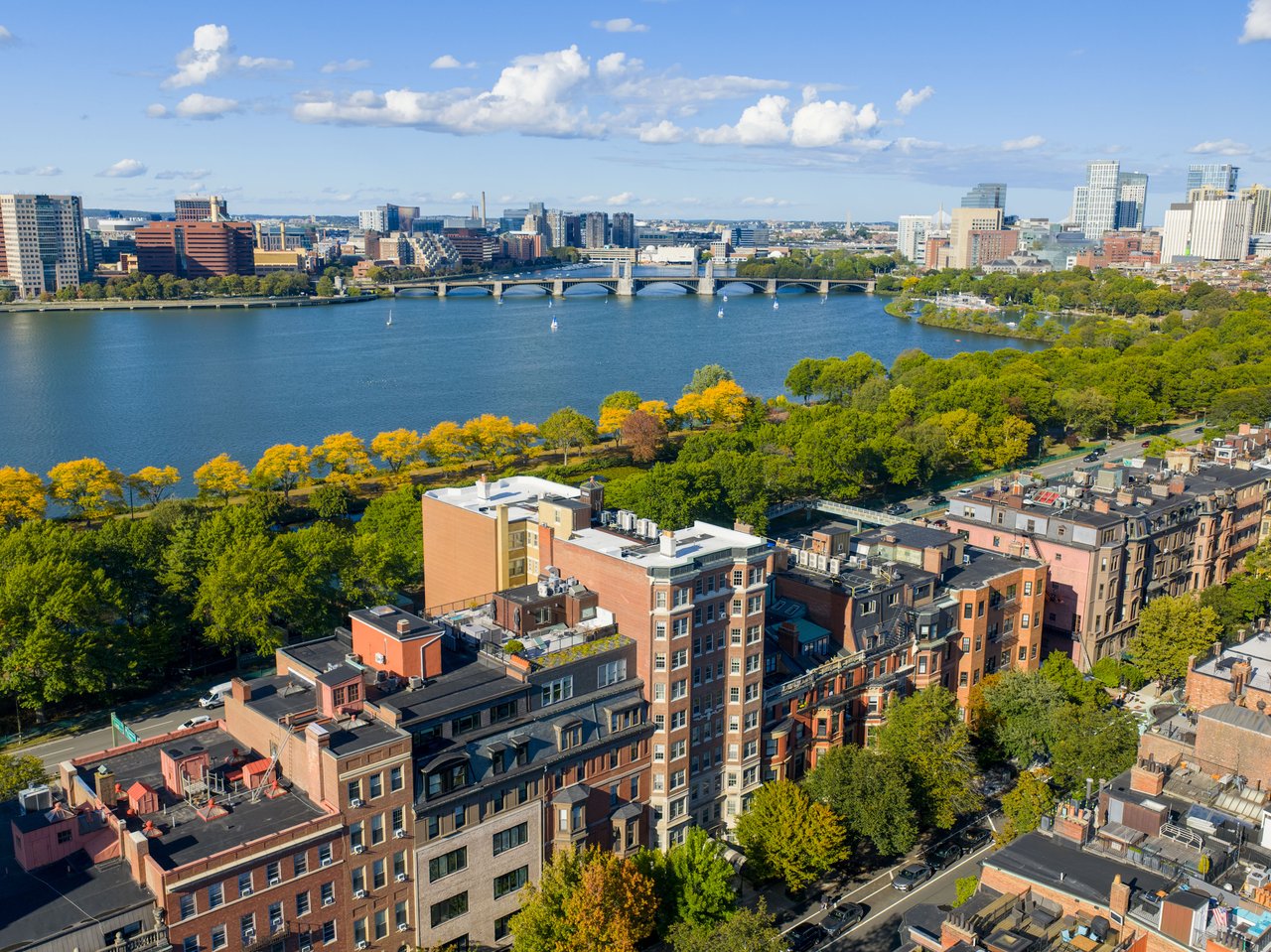
Back Bay is one of Boston’s most recognizable neighborhoods, but it is not just scenic. Boston planners describe it as a historic neighborhood built on filled tidal marshes in the mid-1800s, and the area expanded by roughly 450 acres. Today, that history shows up in the architecture and street layout, while the neighborhood still functions as an active urban district.
You are not stepping into a quiet enclave that shuts down after dark. Boston’s neighborhood profile highlights Newbury Street, Boylston Street, and Commonwealth Avenue as key corridors, and the area also includes hotels, restaurants, office buildings, and the Hynes Convention Center. In 2025, Back Bay’s population was estimated at 18,983, which supports that steady, lived-in city feel.
That mix shapes the neighborhood’s rhythm. On any given day, you may see residents walking to work, people meeting for coffee, shoppers along Newbury, and visitors heading toward Copley Square or a hotel. Back Bay feels polished and busy, but still highly livable if you want a central Boston lifestyle.
Back Bay housing at a glance
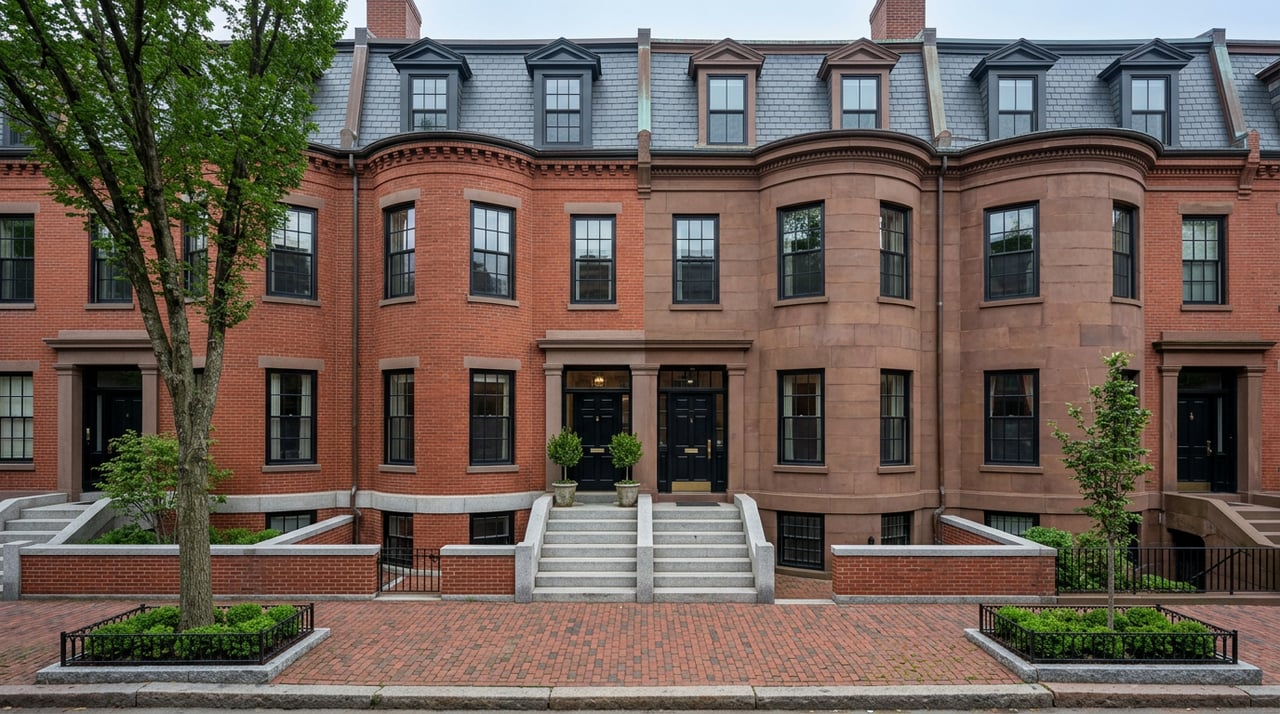
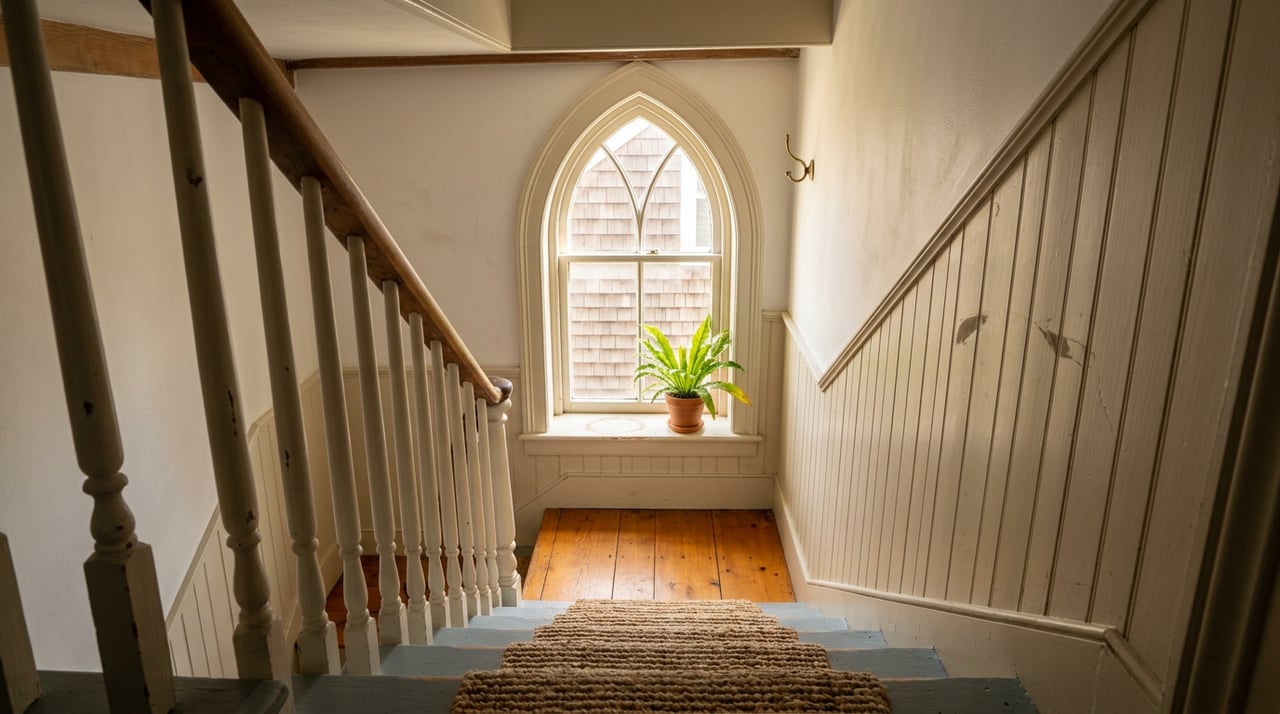
If you are considering a move here, the housing stock is a big part of the appeal. Back Bay’s homes often reflect the neighborhood’s historic character, and many buyers are drawn to the original detail and classic brownstone setting that define the area. At the same time, the market includes a meaningful mix of owners and renters, which keeps the neighborhood active and varied.
In 2025, Back Bay had 11,712 total housing units, with 86.8% occupied. Of those, 35.3% were owner-occupied and 56.1% were renter-occupied. That tells you Back Bay is still a renter-heavy urban market, even though there is also a substantial ownership base.
For buyers, that often means looking closely at condos and attached buildings. Because Back Bay is a protected historic district, exterior changes are reviewed by the Back Bay Architectural Commission, and guidelines emphasize preserving facades, cornice lines, historic materials, and brownstone surfaces. In practical terms, living here can mean owning a home with a strong sense of history and a structure that comes with thoughtful preservation standards.
Walkability shapes everyday life
One of the biggest reasons people choose Back Bay is simple: you can get a lot done on foot. This is a neighborhood where your morning coffee, evening dinner plans, grocery run, commute, and river walk may all fit into the same small area. That can make daily life feel efficient in a way that is hard to replicate elsewhere.
The data backs that up. In 2025, 34.5% of employed Back Bay residents walked to work, 13.8% used public transportation, and 27.2% worked from home. Only 18.5% drove to work, and 49.4% of households had no vehicle available.
That does not mean a car never matters. If you commute outside the city, travel often, or want dedicated parking, those details still matter when choosing a home. But for many households, Back Bay supports a routine where car ownership feels optional rather than essential.
Transit is part of the appeal
Back Bay’s central location is strengthened by strong transit access. Back Bay Station serves the Orange Line, Commuter Rail, and Amtrak, which gives residents options for getting around Boston and beyond. Nearby Green Line access at Arlington, Copley, and Hynes adds even more flexibility.
That transit network can shape how you evaluate the neighborhood. If your workdays vary, if you travel regionally, or if you simply want more than one commuting option, Back Bay offers a level of connection that stands out. It is one of the reasons the neighborhood works well for people who want city living without relying on a car for every trip.
Newbury Street also becomes pedestrian-only on selected Sundays through the city’s Open Newbury program. On those days, the area feels even more walk-first, with a neighborhood energy that is social, active, and easy to enjoy.
The Charles gives Back Bay breathing room
For many residents, the defining everyday amenity is the Charles River. It is one thing to live in a dense city neighborhood. It is another to have direct access to a major waterfront park system that makes room for walks, runs, bike rides, and quieter moments outside.
The Charles River Esplanade is a three-mile park system along the river with walking and biking trails, gardens, historic structures, natural areas, playgrounds, and public events at the Hatch Shell. For Back Bay residents, the Arthur Fiedler Footbridge is an especially important connection point because it links the neighborhood directly to the Esplanade.
That access can change how your week feels. A quick walk before work, a run by the river, or a weekend bike ride becomes easier when the Charles is part of your home base. In a dense urban neighborhood, that kind of open space can be a major quality-of-life advantage.
Commonwealth Avenue adds another layer of green space
Back Bay is not only about the river edge. Boston planners also point to the Commonwealth Avenue Mall as a key recreational asset, and the city parks page describes it as a 32-acre green link between the Public Garden and the Emerald Necklace. That gives the neighborhood another strong outdoor feature woven into its daily streetscape.
Instead of needing to leave the area for a break, you have greenery built into the neighborhood itself. Commonwealth Avenue can soften the pace of a busy day and provide a more relaxed route through the area. It is part of why Back Bay often feels elegant without feeling overly formal.
Newbury, Boylston, and Copley keep errands easy
Back Bay works well for people who like convenience built into their surroundings. Boston’s neighborhood page describes Newbury Street, Boylston Street, Copley Square, and the Prudential and Copley retail core as home to shops, restaurants, landmark buildings, and active street life. That creates a neighborhood where daily needs and leisure often overlap.
Newbury Street is especially central to the area’s rhythm. The city describes it as a mile-long, eight-block stretch of shops, salons, galleries, and restaurants, and on selected Sundays it becomes pedestrian-only. That gives it a dual identity: part retail corridor, part neighborhood promenade.
Copley Square adds another anchor. The Boston Public Library’s Central Library, located there, holds the library’s largest circulating collection and serves as a major public gathering place. Around it, you also have offices, hotels, and conference traffic, which adds to the steady movement and energy of the neighborhood.
Expect seasonal events and busy moments
Back Bay’s location comes with visibility, and that means occasional crowding. Boston planners note that the neighborhood is home to the Boston Marathon finish line, giving the area a clear springtime identity and periodic surges of activity around Boylston Street. For some residents, that event energy is part of the appeal. For others, it is something to plan around.
This is worth keeping in mind if you are deciding whether the neighborhood fits your lifestyle. Back Bay offers convenience and excitement, but it is not isolated from the city’s major events. Living here means enjoying a front-row seat to Boston, including the moments when the city feels especially active.
Who tends to enjoy living in Back Bay
Back Bay often appeals to people who want a polished urban lifestyle with strong access to transit, dining, culture, and open space. The neighborhood’s demographic profile supports that city-professional feel. Boston planners report that 88.1% of residents age 25 and older have a bachelor’s degree or higher, and 48.7% of residents are between 18 and 34.
That does not define who should live here, but it does help explain the neighborhood’s pace and character. If you want a central Boston setting where walking is part of daily life and historic architecture is part of the backdrop, Back Bay offers a very specific kind of city experience. It is compact, connected, and full of everyday touchpoints that make urban living feel seamless.
What to consider before you move
Back Bay offers a lot, but it is smart to think through the details before you buy or rent. A beautiful older building may come with historic-district considerations. A walkable address may make parking less important, or it may make dedicated parking feel even more valuable depending on your routine.
As you compare homes, it can help to focus on a few practical questions:
- How important is direct access to transit?
- Do you want easy access to the Charles or Commonwealth Avenue Mall?
- Are you comfortable with the upkeep and rules that can come with a historic district?
- Would you rather be closer to Newbury Street activity or on a quieter block nearby?
- Is car storage or garage access a must-have for your lifestyle?
Back Bay tends to reward clarity. The better you understand your day-to-day priorities, the easier it is to decide which block, building, or home style makes the most sense.
If you are considering a move in Back Bay, a calm local perspective can make the search feel much more manageable. Whether you are buying, selling, or exploring rental options, Donnelly + Co offers thoughtful neighborhood guidance across Boston with a clear, low-pressure approach.
FAQs
What is daily life like in Back Bay, Boston?
- Daily life in Back Bay is shaped by walkability, historic streets, transit access, shopping and dining along Newbury and Boylston, and easy access to the Charles River Esplanade and Commonwealth Avenue Mall.
Is Back Bay, Boston walkable for everyday errands?
- Yes. Research from Boston planners shows that many residents walk to work, and the neighborhood’s compact layout makes it practical to reach restaurants, shops, public spaces, and transit on foot.
Do you need a car to live in Back Bay, Boston?
- Not always. In 2025, 49.4% of Back Bay households had no vehicle available, which suggests many residents build daily routines around walking and transit instead of regular car use.
What types of homes are common in Back Bay, Boston?
- Back Bay is known for historic attached buildings and a substantial number of condos and rentals, with housing shaped by the neighborhood’s protected historic district rules.
What outdoor spaces are near Back Bay, Boston?
- Key outdoor spaces include the Charles River Esplanade, the Paul Dudley White Bicycle Path, and the Commonwealth Avenue Mall, which connects the Public Garden to the Emerald Necklace.
What should buyers know about historic homes in Back Bay, Boston?
- Buyers should know that exterior changes in the Back Bay historic district are reviewed under local guidelines that emphasize preserving facades, cornice lines, historic materials, and brownstone features.