Selling in Beacon Hill is not like selling anywhere else in Boston. You are not just bringing a home to market. You are introducing a piece of a protected historic district where architecture, presentation, and timing all matter in very specific ways. If you are planning a sale, understanding those differences can help you avoid delays, protect value, and position your home with confidence. Let’s dive in.
Why Beacon Hill Requires a Different Selling Strategy
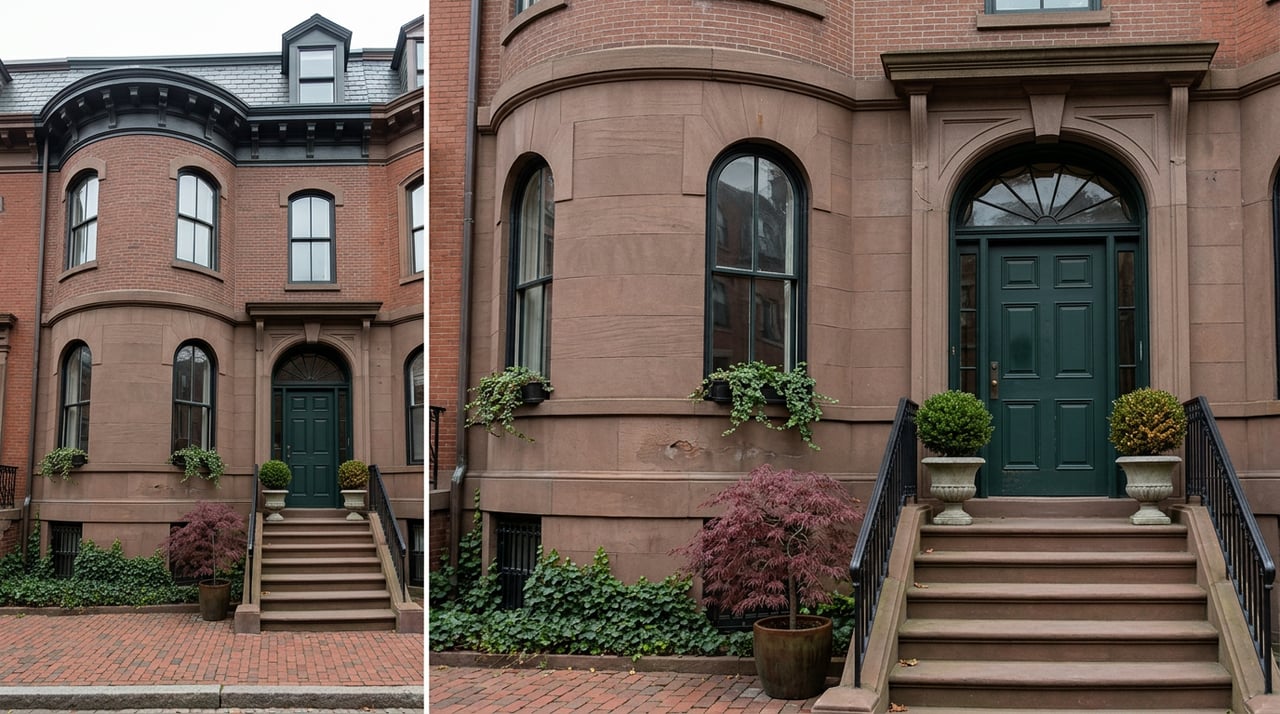
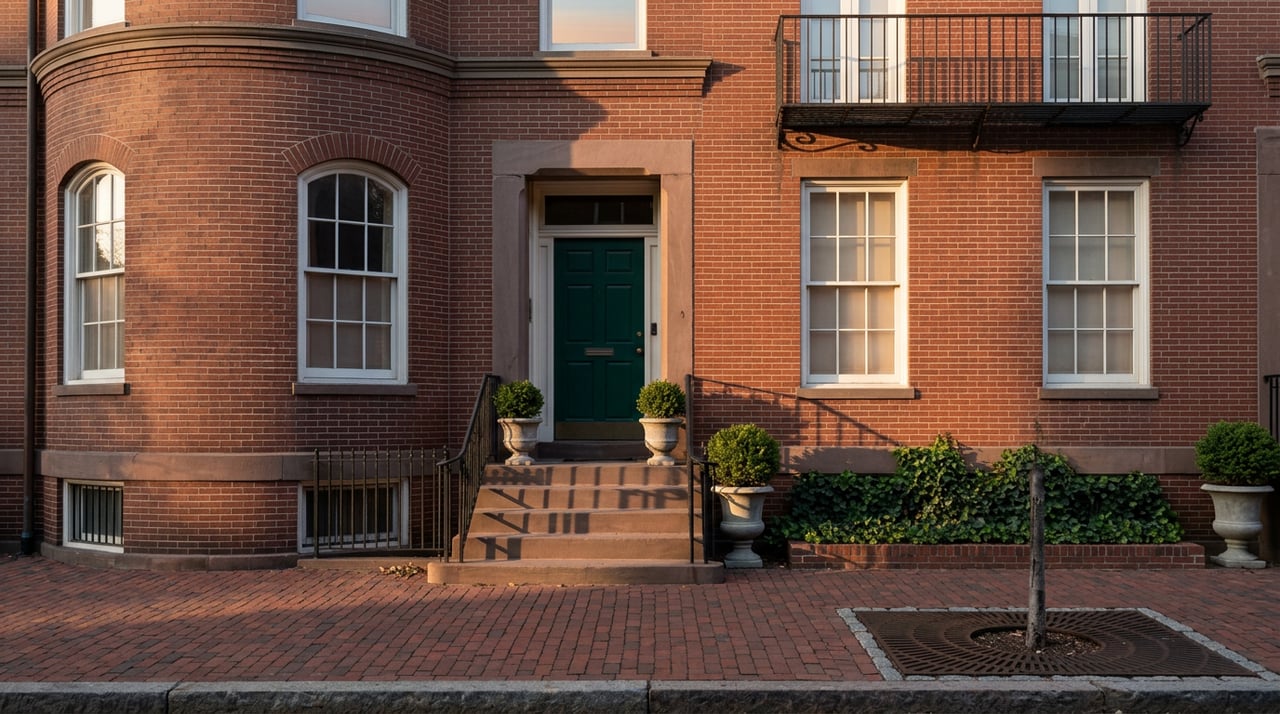
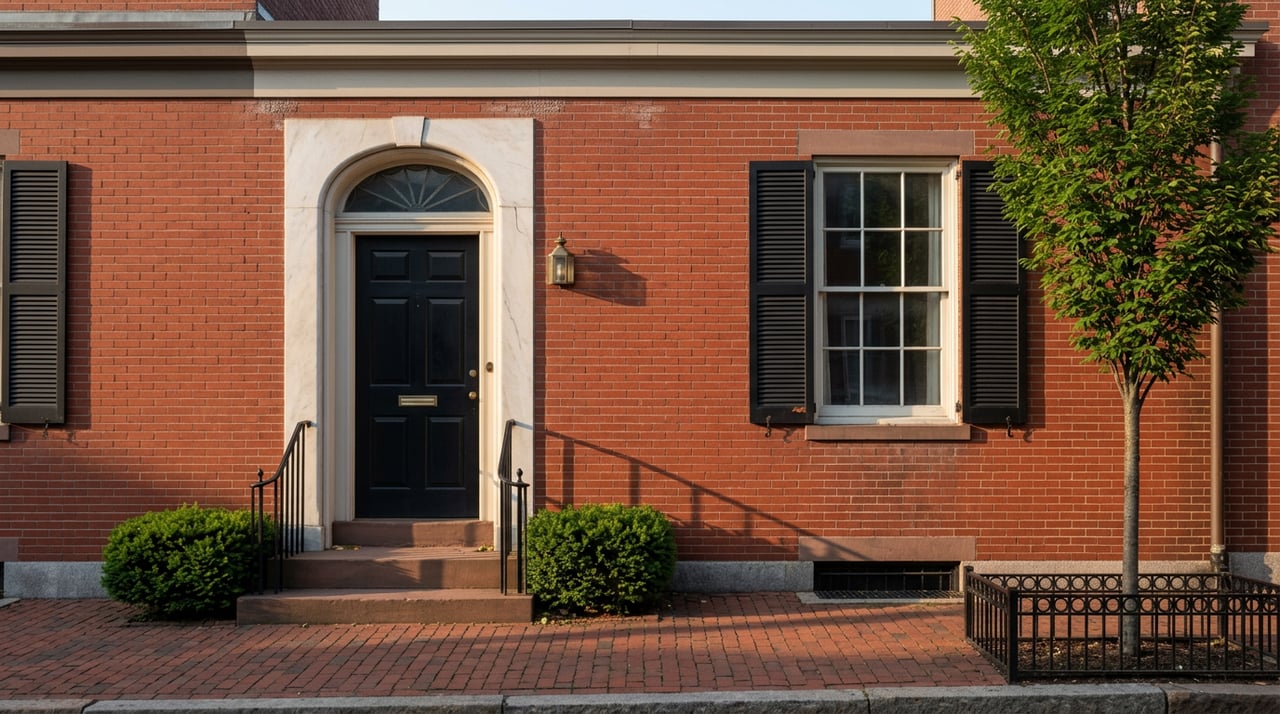
Beacon Hill is compact, historic, and hard to replicate. Boston describes the neighborhood as reflecting old colonial Boston, with brick row houses, ornate doors, decorative ironwork, narrow streets, brick sidewalks, and gas lamps. The National Park Service also notes the North Slope’s winding streets and narrow pedestrian alleyways, which helps explain why many homes feel vertically arranged and less standardized than newer properties.
That physical setting shapes how buyers experience your home. In Beacon Hill, charm is not a bonus feature. It is often part of the core value of the property. Buyers are usually looking for historic character, but they also want the home to feel functional and well cared for.
The neighborhood’s identity also carries cultural and civic significance. Beacon Hill is closely tied to the Massachusetts State House, the Black Heritage Trail, the Museum of African American History, and Boston African American National Historic Site. That history adds depth to the market and reinforces why preservation matters here.
Historic District Rules Sellers Should Know
One of the biggest differences in Beacon Hill is that the neighborhood is part of a protected historic district. The district was established in 1955 and later expanded in 1958, 1963, 1975, and 2024. If your home has exterior features visible from a public way, changes may require review by the Beacon Hill Architectural Commission.
That visibility standard is broader than many owners expect. According to the City of Boston, a public way can include places such as Boston Common, Storrow Drive, the Longfellow Bridge, and Cambridge Street and points north. In other words, work may be reviewable even if it is not obvious from right outside your front door.
Before any approved exterior work begins, you need a Certificate of Appropriateness. That certificate is valid for two years once issued. The city also notes that violations can carry fines of up to $1,000 per day, which makes early planning especially important if you are preparing a home for market.
What Counts as an Exterior Change
The commission reviews proposed alteration, reconstruction, or demolition of exterior architectural features that are open to view from a public way. That can include windows, doors, masonry, rooftop elements, lighting, railings, and mechanical equipment, depending on visibility.
If you are thinking about making improvements before listing, it is worth confirming whether the work needs approval. A well-intended update can create setbacks if it conflicts with district guidelines or moves forward without the right review.
Timing Matters Before You List
The Beacon Hill Architectural Commission meets on the third Thursday of each month. Sellers planning exterior work should allow time for drawings, paint samples, shop drawings, and possible revisions before a hearing or approval.
That means prep work in Beacon Hill can take longer than in other neighborhoods. If your goal is to hit a specific listing window, your timeline should account for historic review and documentation, not just contractor availability.
What Buyers Notice Most in Beacon Hill
In this neighborhood, buyers tend to notice original details quickly. The guidelines favor preserving features such as cornices, brackets, lintels, sills, bay windows, grilles, handrails, doors, surrounds, transoms, sidelights, and ironwork.
That does not mean your home needs to feel frozen in time. It means updates should work with the architecture rather than compete with it. The strongest presentation often comes from showing that a home has been thoughtfully maintained while still supporting modern daily life.
Repair Usually Beats Replacement
Beacon Hill guidelines emphasize repair over replacement. If replacement is unavoidable, the new material should match the old in composition, design, color, texture, and visible qualities.
This is especially important for sellers who are deciding where to invest before listing. In many cases, preserving and repairing original materials can align better with district expectations and with what buyers want to see.
Windows and Doors Get Close Scrutiny
Windows and doors are a major focus in Beacon Hill. The guidelines say original sash, frames, brick molds, surrounds, and hardware should be retained when possible.
The rules also state that vinyl-clad sash, metal cladding, and simulated muntins are not permitted. Clear, non-tinted glass is preferred, and storm windows should have minimal visual impact. If your home has had prior changes in these areas, documentation and condition may become an important part of pre-listing strategy.
Rooftops and Equipment Matter Too
Rooftop visibility can affect market prep more than sellers expect. Roof decks or deck enclosures visible from a public way are considered inappropriate, and new roof access structures must be low-profile and not visible from a public way.
The same general rule applies to HVAC equipment, solar panels, heaters, telecommunications gear, mechanical and electrical installations, and antennas. These elements must be installed so they are not visible from a public way. If your home includes visible rooftop or facade work, approval history and supporting records may be just as important as the finish itself.
Smart Pre-Listing Prep for a Beacon Hill Home
Pre-listing prep in Beacon Hill is usually less about dramatic change and more about careful refinement. The goal is to help buyers see the home’s beauty and livability while respecting what makes the property special.
A strong plan often starts with documentation. If your home has original architectural details, prior approved work, or historically appropriate updates, gathering those records can help support your marketing and answer buyer questions early.
Focus on Character-Preserving Improvements
When preparing to sell, it helps to prioritize work that supports the home’s historic character. That may mean repairing trim, refreshing historically appropriate paint, improving lighting in traditional locations, or addressing deferred maintenance rather than replacing older elements with generic new ones.
The guidelines also discourage masonry cleaning methods such as sandblasting and generally discourage painting brick or stone unless there is evidence the building was historically painted. If masonry is part of your exterior presentation, careful review matters before making cosmetic decisions.
Stage for Livability, Not Erasure
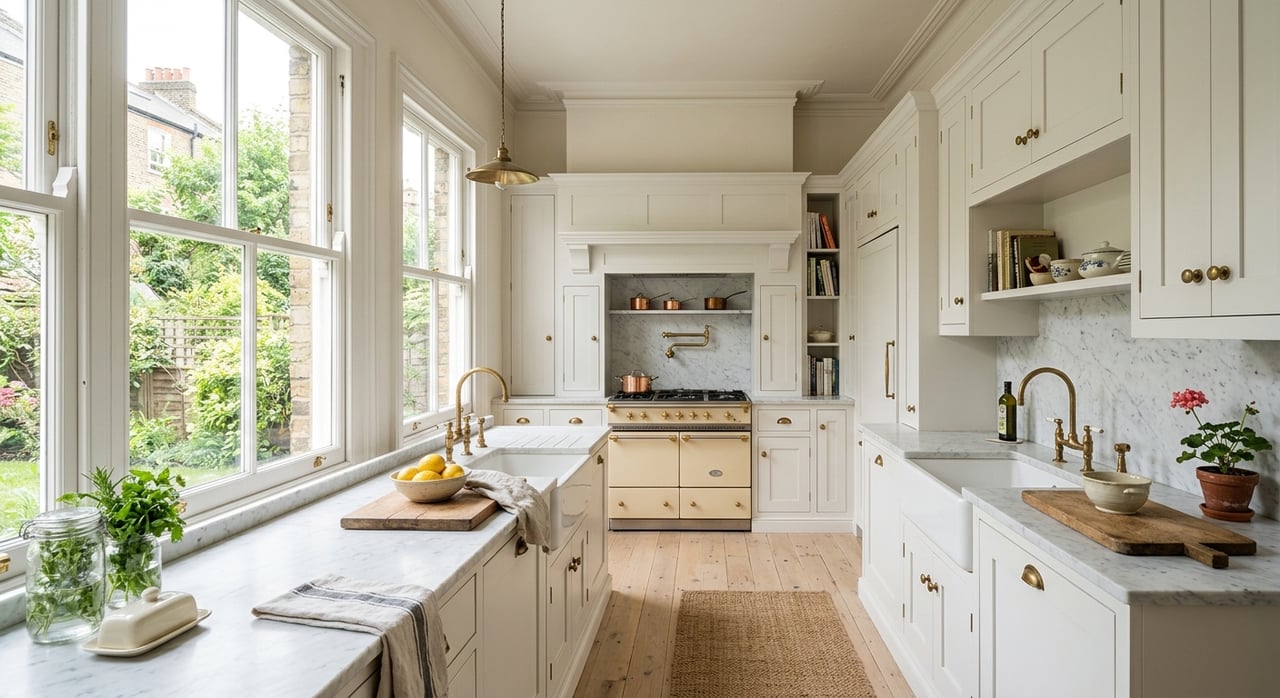
Staging in Beacon Hill works best when it highlights scale, light, and function without hiding the architecture. Buyers are often responding to the very details that make these homes different, such as original doors, ironwork, fireplaces, or distinctive room layouts.
A thoughtful presentation can help buyers understand how historic charm and everyday comfort work together. In a neighborhood like Beacon Hill, that balance can be more compelling than a one-size-fits-all renovation look.
Pricing in a Selective Market
Current market data suggests Beacon Hill remains high-priced but discerning. As of April 2026, Zillow reports a Beacon Hill home value index of $1,070,536, down 1.5% year over year, with 76 for-sale listings and a median list price of $1,872,983.
Redfin reports a median sale price of $1,716,862 for the three months ending April 2026, with 37 days on market, 31 homes sold in April, and a 97.4% sale-to-list ratio. Realtor.com reports 70 active listings, a median listing price of $2.39 million, a median sold price of $1.35 million, and 31 median days on market.
Because these platforms use different methods and metrics, the numbers are best treated as directional rather than directly comparable. Even so, the broader message is consistent: Beacon Hill is not a market where sellers can rely on prestige alone.
Accurate Pricing Still Matters
Redfin describes Beacon Hill as somewhat competitive, with some homes receiving multiple offers and the average home selling about 2% below list. That points to a market where pricing discipline matters.
If your home is priced too aggressively without the condition, detail, or presentation to support it, buyers may hesitate. In a neighborhood with highly specific inventory, accurate pricing can help your home stand out for the right reasons.
Condition and Story Support Value
In Beacon Hill, value is often tied to more than square footage. Buyers may weigh architectural integrity, visible upkeep, approved exterior work, and how convincingly the home balances historic character with daily function.
That is why polished marketing and a clear property story matter. A home that feels authentic, well-prepared, and properly positioned is often better placed to earn strong interest than one that simply looks updated on paper.
A Calm, Local Approach Goes a Long Way
Selling a Beacon Hill home often means coordinating details that do not come up in every Boston transaction. Historic district rules, documentation, visual presentation, and pricing all carry extra weight here.
With the right plan, though, those same details can become strengths. When your home is prepared with care and marketed with local nuance, you can meet buyers with clarity instead of scrambling through last-minute surprises.
If you are thinking about selling in Beacon Hill, Donnelly + Co offers thoughtful seller guidance, home valuation support, and neighborhood-focused strategy designed to make the process feel clearer and calmer.
FAQs
What exterior changes need approval for a Beacon Hill home sale?
- In Beacon Hill, alteration, reconstruction, or demolition of exterior architectural features visible from a public way may require review by the Beacon Hill Architectural Commission before work begins.
Can Beacon Hill sellers replace windows before listing?
- Beacon Hill guidelines say windows should usually be repaired rather than replaced, and if replacement is necessary, the new windows should match the original in material, design, and proportions.
Are roof decks allowed on Beacon Hill homes?
- Roof decks and deck enclosures visible from a public way are considered inappropriate under the Beacon Hill guidelines.
Can Beacon Hill homeowners paint brick before selling?
- Brick or stone generally should not be painted unless there is evidence the building was historically painted.
How long does a Beacon Hill Certificate of Appropriateness last?
- Once issued, a Certificate of Appropriateness is valid for two years.
What does the Beacon Hill housing market look like for sellers?
- Recent data points to a high-priced but selective market, with roughly one month on market in some reports, a 97.4% sale-to-list ratio in Redfin’s April 2026 data, and pricing that appears to reward strong condition and accurate positioning.