Wondering whether a South Boston condo or home will actually fit the way you live, not just your budget? That question matters here because South Boston is not one thing. It blends historic rowhouse blocks, a changing transit corridor, and newer waterfront buildings, so the right choice depends on what you want your day-to-day life to feel like. This guide will help you match lifestyle, location, and property type with more confidence. Let’s dive in.
Why South Boston Offers Different Living Styles
South Boston sits on a peninsula just south of Downtown, with commercial activity centered on East and West Broadway and recreation shaped by Carson Beach, L Street Beach, Pleasure Bay, and the Strandway. According to the Boston Planning & Development Agency, the neighborhood had 37,917 residents in 2020, up 19.3% from 2010. That growth helps explain why the area now offers a wider range of housing choices than many buyers expect.
The housing stock is also more varied than the neighborhood’s reputation sometimes suggests. South Boston includes an older residential core with triple-deckers and attached rowhouses, a transit-oriented corridor near Dorchester Avenue and Andrew Square, and a newer condo-heavy waterfront district. If you are trying to decide between a condo and a home, understanding these sub-areas is often the first step.
South Boston’s Main Housing Zones
Broadway Core And Historic Blocks
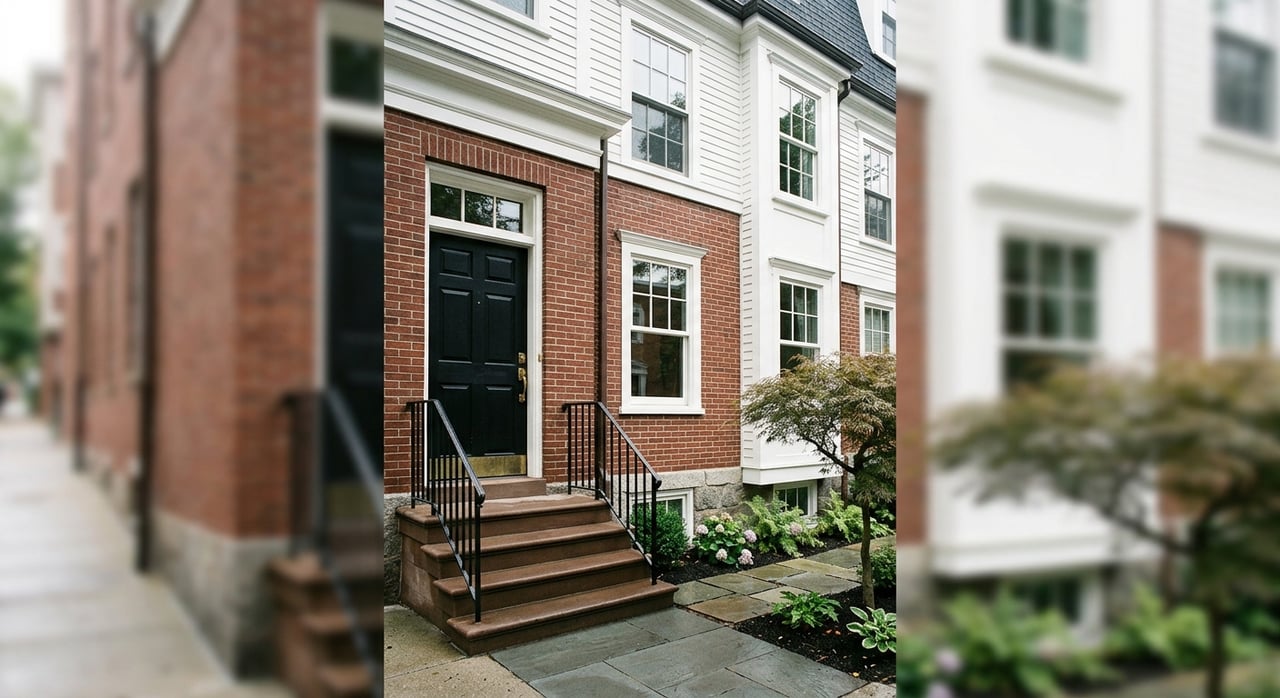
Around East and West Broadway, South Boston’s historic housing fabric is most visible. City landmarks materials note that detached houses are rare here, while triple-deckers and attached rowhouses define much of the area.
For you as a buyer, this part of the neighborhood often feels the most house-like, even when the buildings share walls. If you want classic South Boston character, more traditional street patterns, and a residential setting close to local businesses, this area may feel like a strong fit.
City Point And Beach-Adjacent Streets
City Point and nearby beach blocks offer a more park- and waterfront-oriented setting. With Medal of Honor Park, nearby beaches, and access to open space, this pocket can feel more residential and less centered on commercial activity.
If your lifestyle includes regular walks by the water, outdoor time, or simply wanting a quieter daily rhythm while staying in South Boston, this area is worth a closer look. It can appeal to buyers who want a home-like environment without leaving the neighborhood.
Dorchester Avenue And Andrew Square
The corridor around Dorchester Avenue, Broadway, and Andrew Square stands out as a transition zone. BPDA planning work highlights this area as a transit-oriented corridor, with focus on future street improvements, station upgrades, bus connections on D Street, and longer-range transportation concepts.
That matters if you want convenience and flexibility. Buyers who expect to rely more on walking, transit, biking, or shorter commutes may find this area especially practical as the neighborhood continues to evolve.
South Boston Waterfront, Fort Point, And Seaport
The waterfront is the clearest match for buyers looking for newer condo-style living. BPDA describes the South Boston Waterfront as an area transformed from warehouses and industrial uses into a creative, tech, and residential hub with apartment, condominium, and micro-unit options.
The pace of change has been significant. BPDA reports that the waterfront population grew from 1,889 in 2010 to 5,579 in 2020. If you want newer construction, modern building amenities, and close access to the waterfront’s mixed-use environment, this is often where your search starts.
When A Condo Makes Sense
A condo can be the right fit if you want a lower-maintenance lifestyle and a more streamlined day-to-day routine. In South Boston, that often lines up with newer buildings in the waterfront area and parts of the transit-oriented corridor.
For many buyers, the appeal is simple. You may want less exterior upkeep, modern layouts, elevator access, shared amenities, or a location that makes it easy to get around the city. If convenience is high on your list, a condo can align well with the way South Boston is growing.
That said, condo living comes with tradeoffs. You should expect HOA fees, and the building itself matters just as much as the unit. In waterfront-adjacent locations, it is also smart to review flood-related building details, elevation, and any mitigation measures carefully.
Condo Buyers Should Think About
- Monthly HOA costs and what they cover
- Building rules and management structure
- Amenities versus monthly carrying costs
- Transit access and walkability
- Parking availability, if you own a car
- Flood resilience questions for waterfront locations
When A Home Or Rowhouse Feels Better
If you want more space and a stronger sense of separation, an attached home or rowhouse may suit you better. South Boston’s historic housing stock makes this a very natural option, especially in the older residential core.
Because the neighborhood is defined by triple-deckers and attached rowhouses, many buyers find that these properties offer a more house-like feel without leaving South Boston. You may gain more interior square footage, more privacy, and a layout that feels better for long-term living.
The tradeoff is usually more responsibility. Compared with a condo, a rowhouse or home-style property may require more upkeep, more planning for repairs, and more attention to systems and maintenance over time.
A Home-Style Property May Fit If You Want
- More interior space
- Greater privacy
- A traditional residential feel
- Room for longer-term lifestyle changes
- Less reliance on shared building decisions
Why Multi-Family Homes Stand Out In South Boston
South Boston’s multi-family tradition gives some buyers another path to consider. For owner-occupants, a multi-family property may offer rental income potential, flexibility for multi-generational living, or a longer-term hold strategy.
Boston also allows accessory dwelling units in owner-occupied one-, two-, and three-family homes. That makes this property type especially relevant if you are thinking beyond your immediate housing needs and want a property that can serve more than one purpose over time.
Still, a multi-family purchase is rarely the simplest option. Shared systems, maintenance demands, and renovation or permitting considerations can make ownership more involved, so this path tends to work best when you are comfortable with a more hands-on approach.
Lifestyle Factors That Should Guide Your Choice
Parking Still Matters
Even in a neighborhood with transit access, car ownership is still a real factor in South Boston. BPDA neighborhood data shows that 72% of households had at least one vehicle, and the neighborhood averaged 1.05 vehicles per household.
That means parking should not be treated as a small detail. If you own a car or expect to, your property search should include a realistic look at parking access, not just the square footage or finishes.
Transit Access Varies By Area
South Boston’s transportation future is an important part of the neighborhood story. Current city planning emphasizes safer walking, biking, transit, and vehicle circulation, with attention to Broadway and Andrew station improvements and D Street bus connections.
For you, that means some locations are better suited to a car-light lifestyle than others. If ease of commuting or reducing car dependence matters, it is worth comparing sub-areas block by block rather than thinking of South Boston as one uniform transit market.
Waterfront Costs Can Be Higher
Budget can shift significantly depending on where you focus your search. BPDA’s 2024 Boston economy report found that the average monthly rent of newly rented apartments in 2023 was $3,565 in South Boston and $5,095 in South Boston Waterfront.
That is rent data, not condo sale data, but it still offers a useful directional signal. In practical terms, the waterfront often carries a premium, which can influence whether a buyer chooses a newer condo there or explores more traditional housing in the broader neighborhood.
Coastal Resilience Is A Real Consideration
For waterfront buyers, coastal resilience should be part of the conversation. Boston has completed a South Boston coastal resilience plan, and Climate Ready Boston identifies the waterfront and other low-lying edges as areas with significant coastal flood exposure.
If you are comparing waterfront condos with inland homes, ask clear questions about elevation, insurance, and building-specific mitigation. Those details can affect both your comfort level and your long-term ownership costs.
A Simple Way To Narrow Your Search
If you feel torn between options, it can help to frame South Boston in three broad choices. There is the older rowhouse and triple-decker core, the transit-oriented redevelopment corridor, and the newer waterfront condo district.
From there, think about your daily habits. Do you want lower maintenance and newer construction? A condo may make sense. Do you want more privacy, space, and a classic neighborhood feel? A rowhouse or home-style property may be the better match. Do you want flexibility or income potential? A multi-family property could deserve a closer look.
The best fit usually comes from matching the property to your routine, not just your wish list. When you get clear on how you want to live in South Boston, the right housing type becomes much easier to spot.
If you are weighing South Boston condos, rowhouses, or multi-family options, a calm local perspective can make the decision feel much clearer. The team at Donnelly + Co can help you compare neighborhoods, property types, and next steps with insight tailored to how you want to live.
FAQs
What type of property is most common in South Boston?
- South Boston’s historic residential core is largely defined by triple-deckers and attached rowhouses, while the waterfront has a stronger concentration of newer condo-style housing.
Are South Boston condos a good fit for buyers who want low maintenance?
- Yes. In many parts of South Boston, especially the waterfront and some newer corridors, condos can suit buyers who want less day-to-day upkeep and easier access to neighborhood amenities.
Do South Boston homes usually come with parking?
- Parking varies a lot by property and location, and it should be evaluated carefully because BPDA data shows car ownership remains common in South Boston households.
Is the South Boston Waterfront different from the rest of South Boston for buyers?
- Yes. The waterfront is generally associated with newer residential buildings, a fast-changing mixed-use environment, and higher housing costs compared with the broader neighborhood.
Should buyers ask about flood risk in South Boston waterfront properties?
- Yes. For waterfront and other low-lying locations, buyers should ask about elevation, insurance, and building-specific resilience measures as part of their property review.
Are multi-family homes in South Boston worth considering for owner-occupants?
- They can be, especially if you want rental income potential, multi-generational flexibility, or a longer-term ownership strategy, but they often involve more maintenance and complexity than a condo.