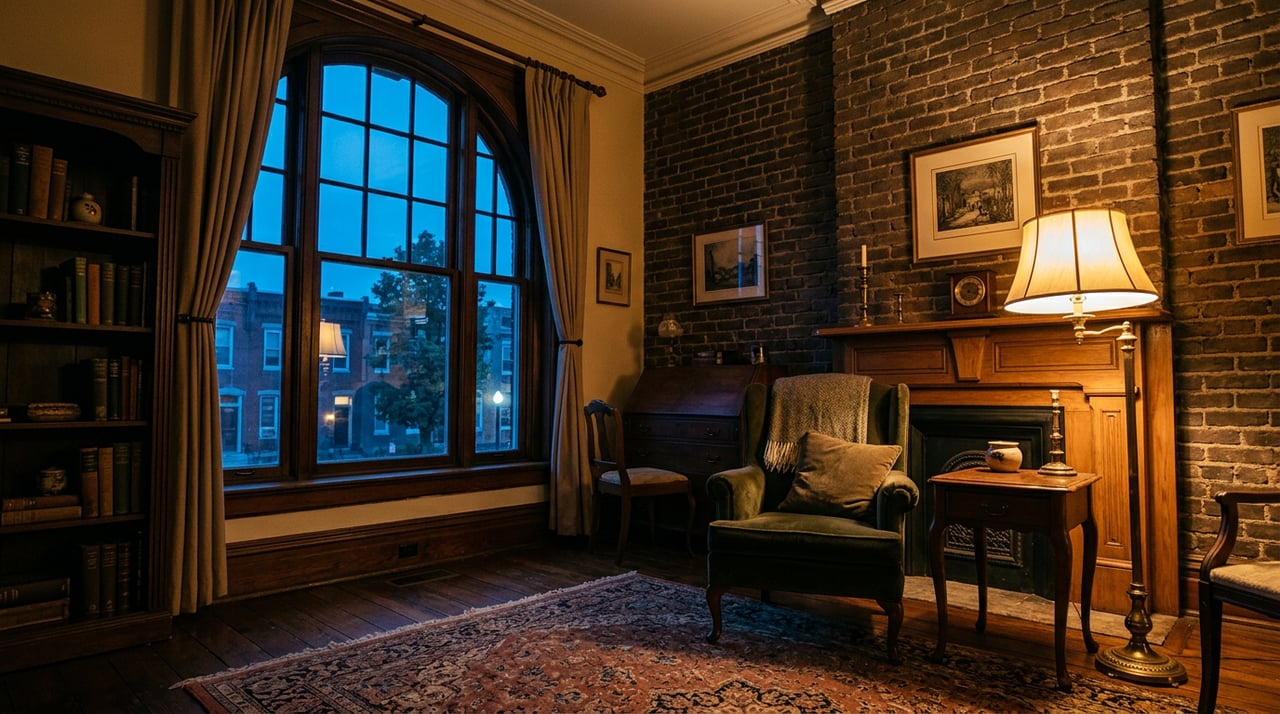
Wondering how to choose the right home in Boston’s South End when every block seems to offer something different? You are not alone. For many buyers, the challenge is not deciding whether they like the South End, but figuring out which version of the neighborhood fits the way they actually live. From classic brownstones to loft-style spaces and newer amenity-rich buildings, the South End offers distinct housing options with very different day-to-day experiences. This guide will help you compare them with more clarity and confidence. Let’s dive in.
Why South End draws buyers
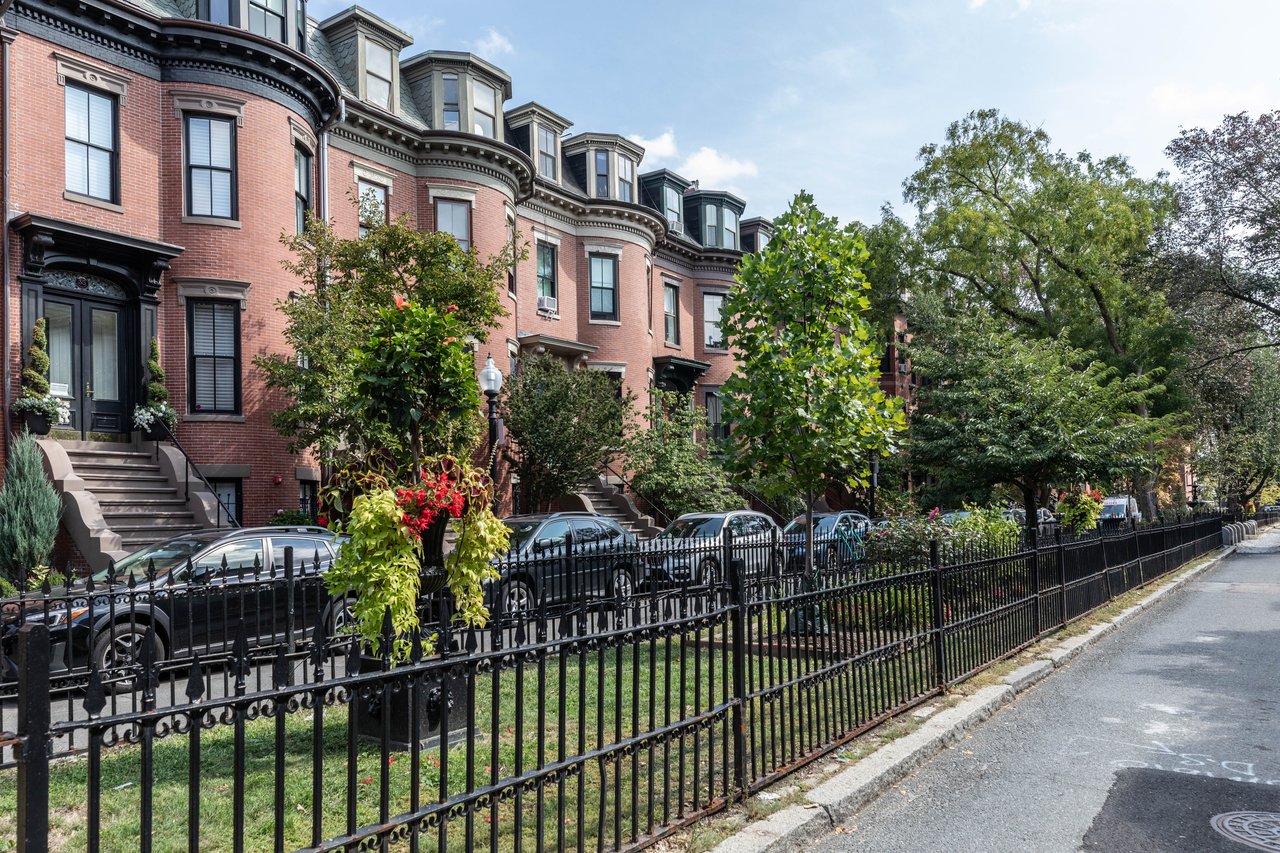
The South End stands out for its central location, historic character, and strong neighborhood identity. The City of Boston describes it as a landmark district just minutes from Downtown and Back Bay, with Victorian brownstone buildings, nearly 30 parks, and active restaurant and arts scenes.
It is also a neighborhood with variety. While much of the South End is residential, Boston identifies Tremont Street, Columbus Avenue, and Washington Street as major commercial corridors. That means your experience can shift meaningfully from one block to the next, even within the same neighborhood.
For many buyers, that mix is the appeal. You can find a home near parks, close to transit, or within reach of busy retail streets, depending on what matters most in your routine.
What the South End market looks like
The South End remains a high-priced and relatively fast-moving market. Zillow reported an average home value of $1,083,959 as of April 30, 2026, with homes going pending in about 14 days.
Realtor.com’s April 2026 neighborhood summary showed a median listing price of $1.25 million, along with 168 homes for sale and 557 homes for rent. In practical terms, that means you may need to make decisions quickly, especially if you are focused on a specific building style or micro-location.
Because prices are high and inventory can vary, fit matters. In the South End, the right home is often less about chasing a broad price point and more about choosing the housing type and location that best support your lifestyle.
Brownstones offer classic South End character
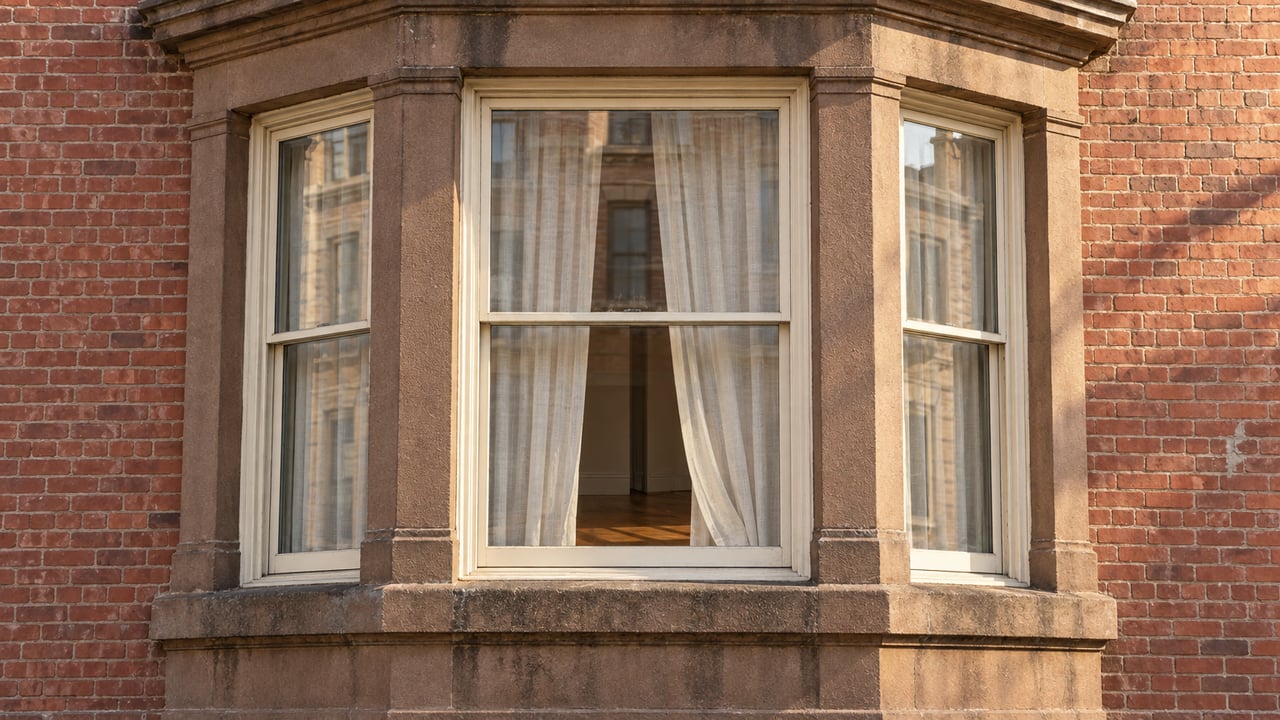
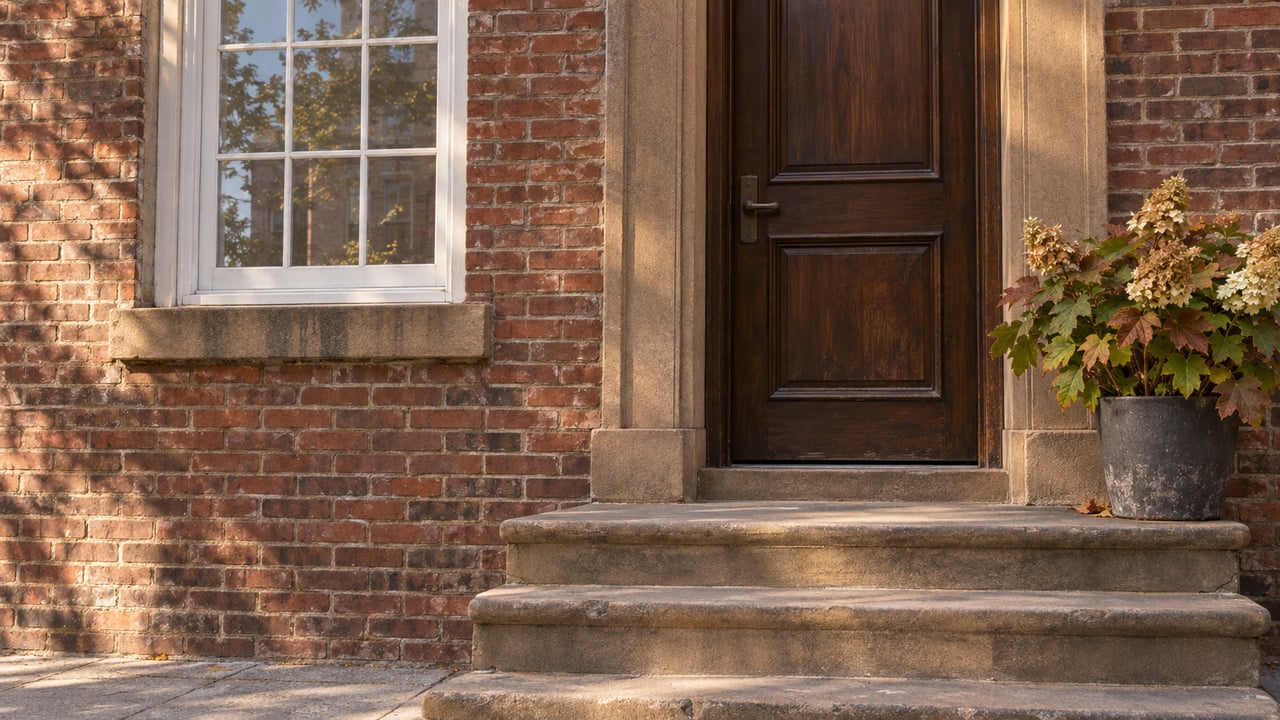
For many buyers, the South End image starts with brownstones and historic rowhouses. Boston notes that development began after the marsh was filled in 1850, with fashionable single-family rowhouses built in long, uniform rows. The city also highlights the neighborhood’s Victorian brownstone buildings as part of its signature look.
If you are drawn to architectural detail, a traditional streetscape, and a sense of history, this housing type may feel like the clearest match. Brownstones often appeal to buyers who want a more established neighborhood feel and the classic South End setting they picture when they begin their search.
What to know about landmark review
Historic appeal also comes with added considerations. In the South End Landmark District, exterior work must be approved before it begins, and new construction is reviewed for compatibility with the surrounding architecture.
For you as a buyer, that means exterior changes may involve more process and less flexibility than they would in a non-historic setting. If you value preservation and consistency, that may feel reassuring. If you want broad freedom to change exterior elements, it is something to weigh early.
Best fit for brownstones
Brownstones tend to work best for buyers who want:
- Historic character
- Traditional South End streetscapes
- A more classic residential feel
- The experience of living in an older building
The tradeoff is usually a more hands-on ownership experience, especially compared with newer properties.
Elevator condos make daily life easier
Not every South End buyer wants stairs, older systems, or building upkeep to be part of daily life. Some newer or converted buildings offer a more streamlined ownership experience, with features like elevator access, laundry, air conditioning, and more updated interiors.
City examples on Harrison Avenue show how different this can feel from a traditional rowhouse. A city-listed home at 735 Harrison Avenue is a loft-style condominium in a 21-unit elevator building with a newer kitchen, central AC and heat, in-unit washer-dryer, and large windows. Another city-listed building at 860 Harrison Avenue includes elevator access, laundry in the building, air conditioning, street parking, and wheelchair accessibility.
Why buyers choose elevator buildings
These homes often appeal to buyers who want convenience and predictability. If you prefer fewer stairs, simpler day-to-day maintenance, or features that support easier access, elevator condos can be a strong fit.
They may also feel more turnkey than a historic brownstone. For some buyers, that convenience matters more than original detail or period design.
Best fit for elevator condos
Elevator condos often work best for buyers who want:
- Step-free or easier access
- More modern systems
- Laundry and climate control
- A more simplified ownership setup
The tradeoff is usually less historic texture and sometimes more standardized layouts.
Lofts bring light and flexibility
The South End’s arts identity makes loft-style space especially relevant. Boston’s listing for 735 Harrison Avenue describes a loft-style condo in the Artblock as a sunlit artist’s studio with floor-to-ceiling windows, high-gloss cement floors, a newer kitchen, and central AC and heat.
If you like open space, strong natural light, and flexible interiors, a loft may offer a very different experience from a rowhouse or standard condo. Lofts can suit buyers who want a home that feels creative, airy, and less compartmentalized.
The main loft tradeoff
Open layout is part of the appeal, but it is also the main consideration. If you prefer clearly defined rooms or more separation between living and sleeping areas, a loft may not feel as practical for your routine.
That does not make one option better than another. It simply means your floor plan matters as much as your square footage in this part of the market.
Best fit for loft conversions
Lofts often work best for buyers who want:
- Open, flexible interiors
- Large windows and strong light
- A studio-like feel
- A connection to the neighborhood’s arts culture
The tradeoff is fewer enclosed rooms and less of the classic rowhouse experience.
Newer developments offer modern features
The South End has also seen reinvestment and infill, including projects like Ink Block on the former Boston Herald site. Newer buildings and infill developments can offer the kind of modern ownership experience that some buyers prioritize, especially when features like elevator access, accessibility, and bundled amenities are high on the list.
For buyers who want updated systems and less historic upkeep, these properties can be appealing. They may feel more polished, more accessible, and easier to manage day to day.
Check for restrictions before you decide
One important point is that newer does not always mean market-rate or unrestricted. City examples on Harrison Avenue show that some homes may be deed-restricted, income-restricted, lottery-based, or owner-occupancy limited.
That makes due diligence especially important. If you are considering a newer South End property, confirm exactly what rules apply before you get too far into the process.
Best fit for newer developments
Newer South End homes often work best for buyers who want:
- Modern systems
- Accessibility features
- Elevator buildings
- A more amenity-forward lifestyle
The tradeoff may be less historic character and, in some cases, added program or resale restrictions.
Compare by lifestyle, not just price
One of the smartest ways to approach the South End is to compare homes by how you live. The neighborhood offers several strong housing types, but each one supports a different version of daily life.
If historic charm matters most, a brownstone may rise to the top. If convenience and access matter more, an elevator condo may make more sense. If you want light and flexibility, a loft may fit better. If you prefer modern systems and amenities, a newer building may be the right direction.
That same lifestyle lens also applies to location within the neighborhood. A home near Tremont Street, Columbus Avenue, or Washington Street may feel different from one on a quieter side street or near a park.
Transit, parks, and block-by-block feel
Transit is a major reason many buyers focus on the South End. The neighborhood is primarily served by the Orange Line and the Silver Line along Washington Street, supporting a car-light lifestyle for many residents.
At the same time, Boston highlights nearly 30 parks in the South End, along with destinations such as SoWa Open Markets and Blackstone and Franklin Parks. For you, that can mean a dense urban location that still offers access to open space and neighborhood variety.
This is why block-level context matters so much. Two homes with similar price points can feel very different depending on nearby transit, commercial activity, and outdoor space.
Smart questions to ask before you buy
As you narrow your options, a few questions can help you compare homes more effectively:
- Is the property in the South End Landmark District?
- If it is, what exterior work would require city approval?
- Does the unit have any deed, income, lottery, or owner-occupancy restrictions?
- Which amenities matter most to you, such as elevator access, laundry, parking, air conditioning, accessibility, or storage?
- Is the home near a busy corridor or on a quieter block?
- Does the property have flood exposure or related insurance considerations?
Boston’s Climate Ready South End materials identify long-term coastal and stormwater flood exposure in the neighborhood, along with possible impacts to roads and transit infrastructure. That does not mean every property will be affected in the same way, but it does mean the question belongs in your due diligence.
Finding your fit with confidence
In the South End, your best fit often comes down to matching the property type with your everyday priorities. The neighborhood can offer classic brownstones, convenient elevator condos, airy lofts, and newer developments with modern features, but each one comes with a different set of tradeoffs.
That is why a thoughtful home search matters here. When you focus on how you want to live, not just what you want to spend, it becomes much easier to recognize which version of the South End feels right for you.
If you are exploring the South End and want calm, neighborhood-focused guidance, Donnelly + Co can help you compare options and move forward with clarity.
FAQs
What housing types are common in Boston’s South End?
- Common South End housing types include historic brownstones and rowhouses, elevator condos, loft-style conversions, and newer infill or amenity-rich developments.
What should buyers know about South End brownstones?
- South End brownstones offer historic character and classic streetscapes, but properties in the landmark district may require approval for exterior changes before work begins.
What makes elevator condos appealing in the South End?
- Elevator condos can offer easier access, updated systems, laundry, air conditioning, and a more streamlined ownership experience than many older buildings.
Are newer South End homes always market-rate?
- No. Some newer South End homes may be deed-restricted, income-restricted, lottery-based, or limited to owner occupancy, so buyers should confirm program rules early.
How fast is the South End housing market?
- Zillow reported that as of April 30, 2026, South End homes were going pending in about 14 days, which points to a relatively fast-moving market.
What location factors matter when buying in the South End?
- Buyers should consider access to the Orange Line and Silver Line, proximity to parks, and whether a home is near major commercial corridors like Tremont Street, Columbus Avenue, or Washington Street.
Why should South End buyers ask about flood considerations?
- Boston’s Climate Ready South End materials identify long-term coastal and stormwater flood exposure in the neighborhood, so flood and insurance questions should be part of property due diligence.