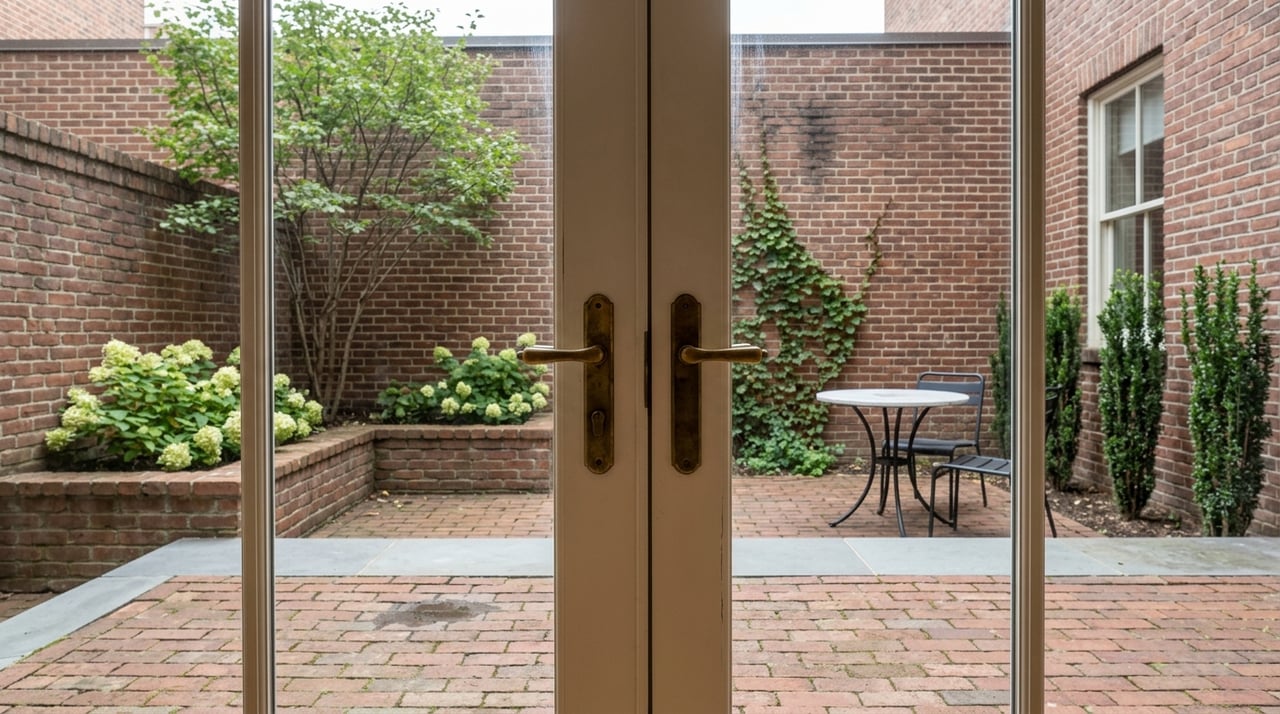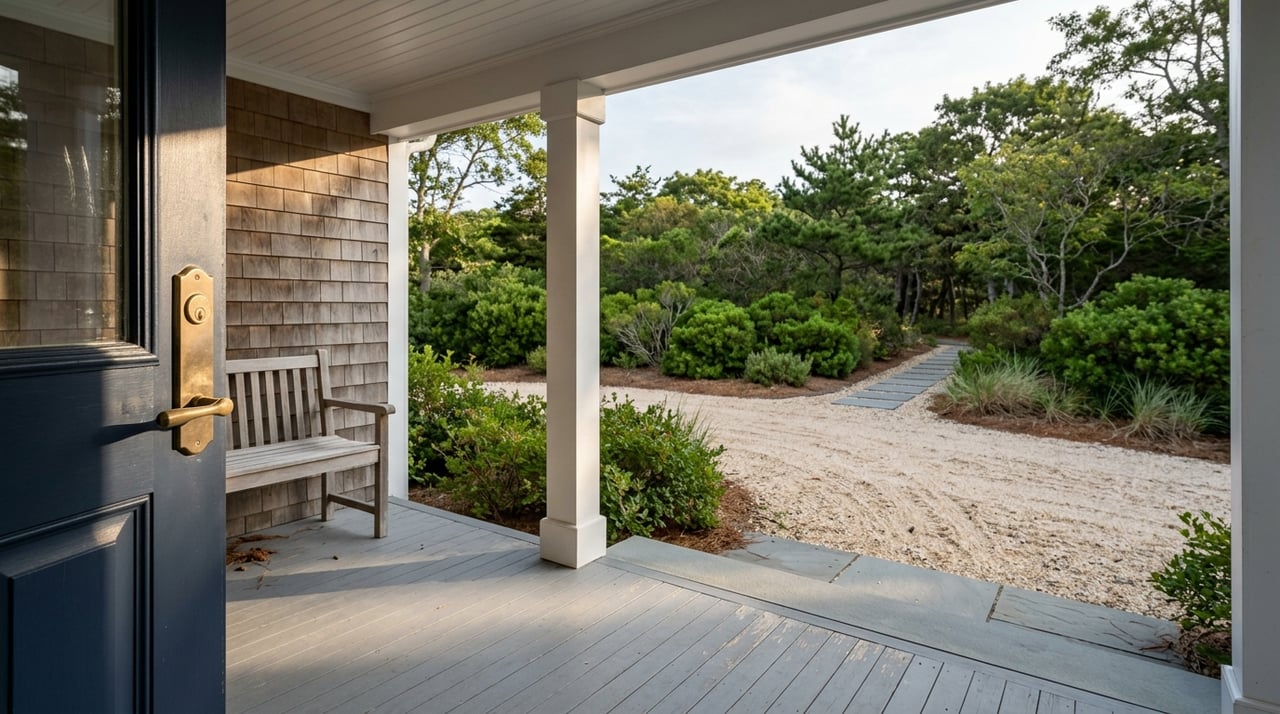
If you are thinking about trading Back Bay brick for Edgartown salt air, you are not just planning a move. You are navigating two very different real estate markets with different rules, timing, and logistics. The good news is that with the right plan, you can avoid the most common delays and make the transition feel far more manageable. Let’s walk through what matters most.
Why this move is different
A move from Back Bay to Edgartown is not a simple address change. It is a shift from one of Boston’s most regulated historic districts to a seasonal island market shaped by ferry access, limited inventory, and summer demand.
That matters because your timeline is influenced by more than pricing and closing dates. You also need to account for approvals, parking permits, transport reservations, and the seasonal rhythm of Martha’s Vineyard.
Back Bay requires early planning
Back Bay is part of Boston’s protected historic district system. If you are selling and want to complete exterior repairs or visible updates before listing, those changes may require approval from the Back Bay Architectural District Commission before work begins.
This can affect how quickly you prepare your home for market. Instead of treating pre-listing work like a last-minute checklist, it helps to review any exterior items early so you are not surprised by approval timelines.
If you are buying in Back Bay before making a later move, the same principle applies. Any renovation ideas that affect the exterior should start with district rules, not after-closing assumptions.
Edgartown runs on island timing
Edgartown operates on a very different rhythm. Town planning materials note that Edgartown has the second-largest year-round population on Martha’s Vineyard but welcomes the most visitors in summer.
State housing data adds important context. More than 60% of homes on the island are used seasonally, about 20% of the housing stock is used for short-term rentals, and the island’s 2024 median sale price was $1.4 million.
For you, that means the market is shaped by limited year-round availability, seasonal ownership patterns, and strong summer demand. A home search in Edgartown often requires flexibility, quick decision-making, and a realistic view of how timing affects options.
Timing your sale and purchase
If you are selling in Back Bay and buying in Edgartown, timing matters on both sides of the transaction. In Boston, pre-listing prep can be slowed by district review if exterior work is involved. In Edgartown, inventory and logistics can tighten as summer approaches.
That is why many transitions benefit from planning backward from the move date. Instead of focusing only on closing, build your timeline around every step that can affect it.
Here are the main timing points to think through:
- Pre-listing exterior work in Back Bay may need district approval.
- Boston moving-truck permits work best when requested early.
- Ferry vehicle reservations for Martha’s Vineyard require advance booking.
- Summer demand in Edgartown can make both housing and transport more competitive.
A shoulder-season closing or move date may be easier to manage than a peak-summer one. With heavier summer demand in Edgartown and tight ferry vehicle availability, spring and fall can offer a smoother path.
Boston moving permits to know
Move-day logistics in Boston are worth scheduling early. The City of Boston says online moving-truck permit applications are available if your moving date is at least 15 days away and no more than 8 weeks away.
If you are closer to your move date, in-person applications can be made as early as 3 days before the move. The permit reserves a legal parking spot for the day of your move, which can make a big difference on a busy Back Bay street.
Boston also says signs should be posted at least 48 hours before the move and recommends posting them three days in advance. If you wait too long on this step, the rest of your moving plan can become harder than it needs to be.
Ferry reservations can shape the calendar
On the Edgartown side, vehicle travel is one of the biggest planning factors. The Steamship Authority says all vehicle travel on the Woods Hole to Martha’s Vineyard route is reservation-only, and advance vehicle reservations are required.
The crossing takes about 45 minutes from Woods Hole. Passengers without a vehicle may buy tickets at the terminal on the day of sailing, but that flexibility does not apply if you need to bring a car or moving truck.
The Martha’s Vineyard Chamber notes that summer vehicle reservations often sell out in winter and early spring. If your move involves a truck, car, or service vehicle, that reservation should be treated as a core part of your moving timeline, not a final detail.
What to verify before listing
If you are preparing a Back Bay home for sale, start by reviewing any exterior work you are considering. The main question is simple: does this change require approval before work begins?
Even small visible improvements can have timing implications in a protected historic district. Looking at that list early can help you avoid delays later in the listing process.
It also helps you make smarter decisions about what is worth doing before sale. In some cases, the best strategy is not to add more work, but to focus on the items that support a smoother launch.
What to verify before buying or renovating
If you are buying in Edgartown, local permitting deserves early attention. The Building Inspector’s office handles permits, zoning questions, flood plain questions, and other construction-related issues.
The town also notes that posted legal documents may not reflect the most recent revisions. That means it is smart to confirm current rules directly with the appropriate town office before you plan a repair, addition, or outbuilding project.
This is especially important if you are buying with future improvements in mind. Island ownership can be rewarding, but your plans should be based on current local guidance, not assumptions.
If you plan to rent the home
Some Edgartown buyers plan to use their property part time and rent it out when they are away. If that is part of your strategy, make sure your timeline and financial planning reflect current local rules.
Edgartown increased its local room occupancy excise to 6% effective January 1, 2025. The tax applies to short-term rentals based on the rent at the time of occupancy, regardless of when the booking was made.
That can affect cash flow assumptions and rental planning. If rental income is part of how you are evaluating the property, it helps to build those numbers carefully from the start.
A simple transition checklist
When you are moving from Back Bay to Edgartown, a calm process usually starts with a clear checklist.
- Review any Back Bay exterior work early.
- Set your target move window before finalizing every other detail.
- Apply for a Boston moving-truck permit as soon as your date is firm enough.
- Plan for sign posting at least 48 hours before move day.
- Reserve ferry space early if a car or moving truck is involved.
- Confirm Edgartown permit or zoning questions before planning changes to the property.
- Recheck rental assumptions if you plan part-time use with short-term rentals.
None of these steps is difficult on its own. The challenge is that they happen across two very different systems, and each one can affect the next.
Why local coordination matters
This kind of move is both transactional and operational. You are not only selling one home and buying another. You are also coordinating historic-district review, city move-day parking, ferry access, island timing, and local planning questions.
That is where having guidance across both markets can make a real difference. A calm, coordinated approach helps you keep the process organized, reduce avoidable stress, and make decisions with better visibility.
Moving from Back Bay to Edgartown can open the door to a new pace and a new kind of homeownership. If you want experienced support across both Boston and Martha’s Vineyard, Donnelly + Co can help you plan your next step with clarity and care.
FAQs
How far ahead should you book a Back Bay move?
- The City of Boston says online moving-truck permit applications are available when the move date is at least 15 days away and no more than 8 weeks away, so it helps to lock in your date early.
Do you need a ferry reservation for a moving truck to Edgartown?
- Yes. The Steamship Authority says vehicle travel on the Woods Hole to Martha’s Vineyard route is reservation-only, and advance vehicle reservations are required.
Why does seasonality matter when buying in Edgartown?
- Edgartown has strong summer demand, and state housing data says more than 60% of island homes are used seasonally, which can shape inventory, timing, and competition.
Should you check permit rules before renovating an Edgartown home?
- Yes. The Edgartown Building Inspector’s office handles permits, zoning, flood plain questions, and other construction-related issues, so it is wise to confirm current requirements before planning work.
Can Back Bay exterior updates delay a home sale?
- They can. Because Back Bay is a protected historic district, exterior work may require approval before it begins, which can affect pre-listing timelines.
What should you know about short-term rental planning in Edgartown?
- If you plan to rent the property when not in use, Edgartown’s 6% local room occupancy excise effective January 1, 2025 should be part of your cash flow and rental planning.