Trying to choose between South Boston and the South End? You are not alone. Both neighborhoods offer a distinctly Boston lifestyle, but they feel different day to day, and those differences can shape how happy you are with your next move. If you want a clear, calm way to compare price, housing, commute, and overall fit, this guide will help you sort through it. Let’s dive in.
Start With the Big Difference
South End and South Boston are close geographically, but they offer different living experiences. South End is more historic, more walk-oriented, and generally sits at a higher closed-sale price point. South Boston is more waterfront-focused, tends to offer larger units, and comes in at a lower median sale price.
In simple terms, South End often appeals to buyers who want classic brick rowhouse streets, quick access to Downtown and Back Bay, and a more car-light routine. South Boston often makes sense if you want more space, a broader mix of housing types, and easier access to beaches and larger waterfront parks.
Compare Home Styles and Housing Stock
South End housing character
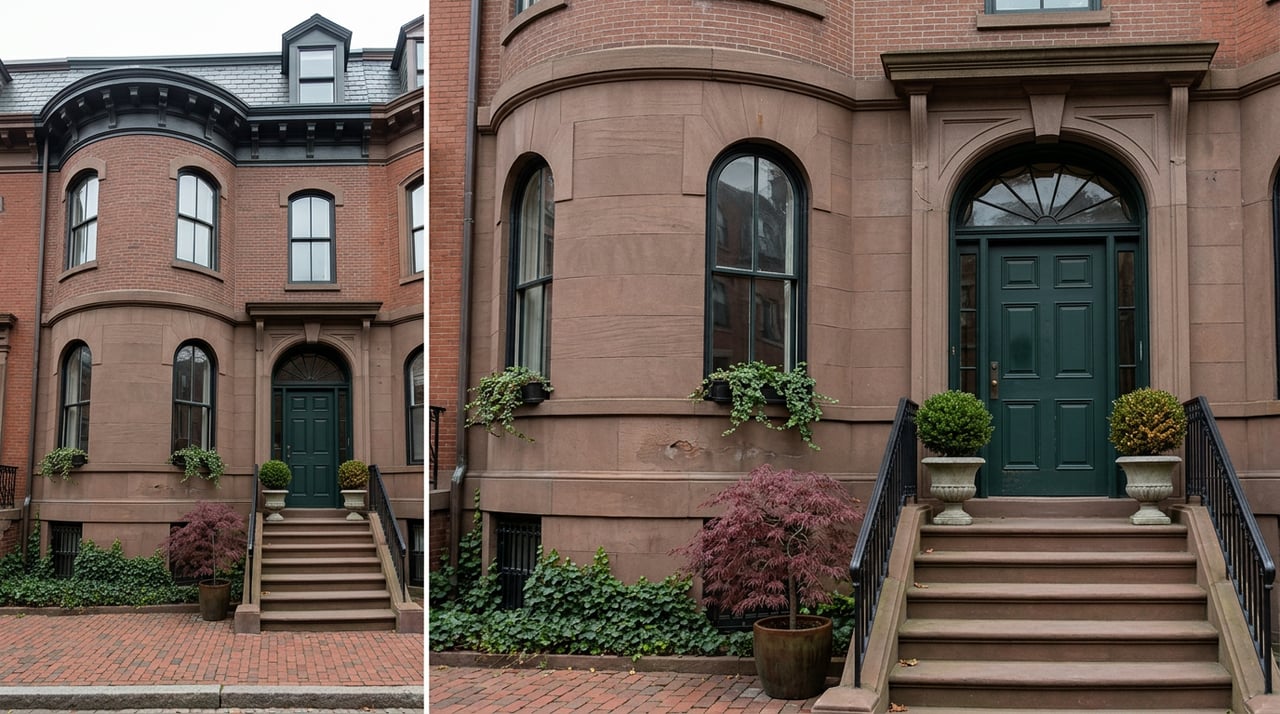
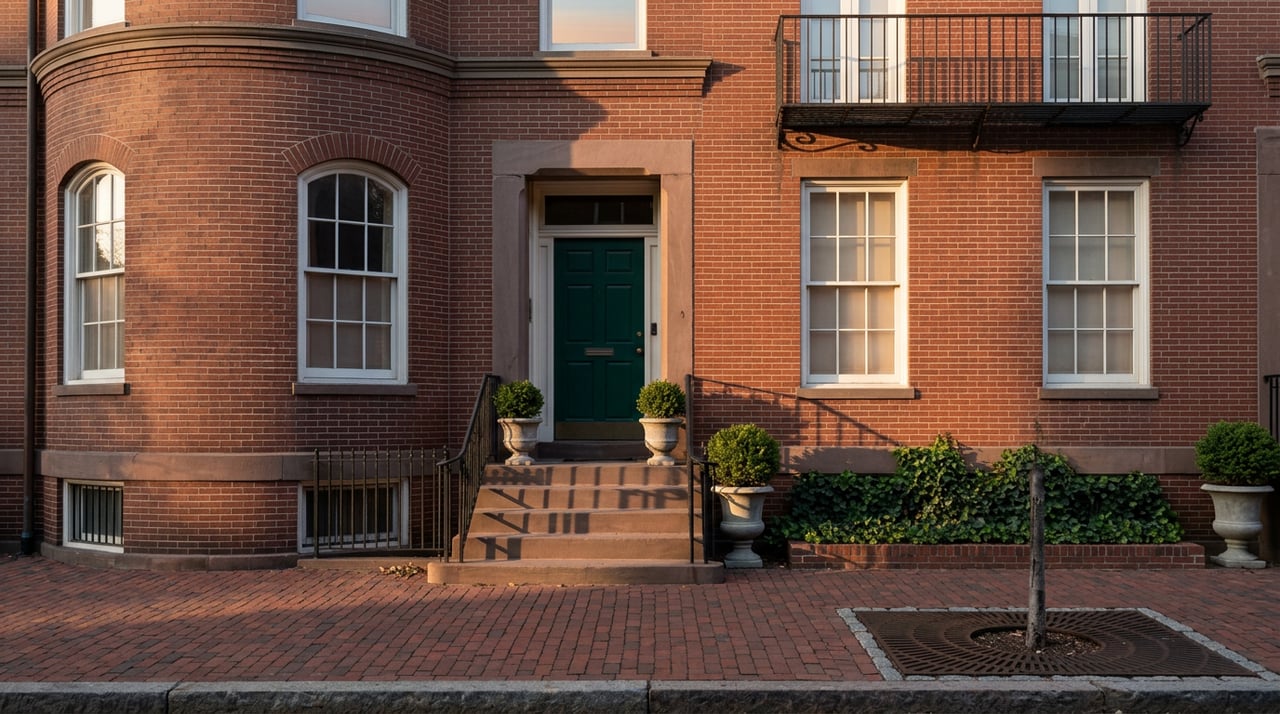
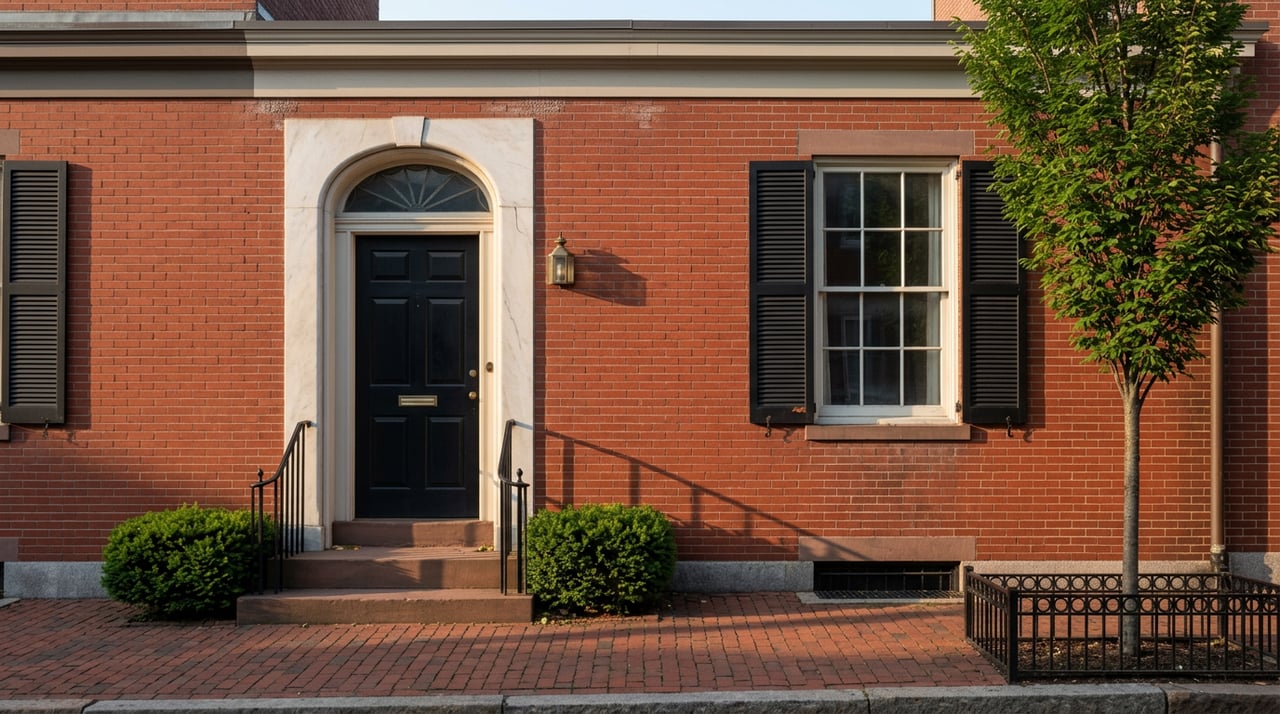
The South End is known for its 19th-century Victorian red brick rowhouses. The South End Landmark District, designated in 1983, is described by the City of Boston as a cohesive historic district with occasional institutional and commercial buildings mixed in.
That historic identity is a major part of the neighborhood’s appeal. If you love consistent architecture, classic Boston facades, and a preserved streetscape, South End may feel especially compelling.
South Boston housing character
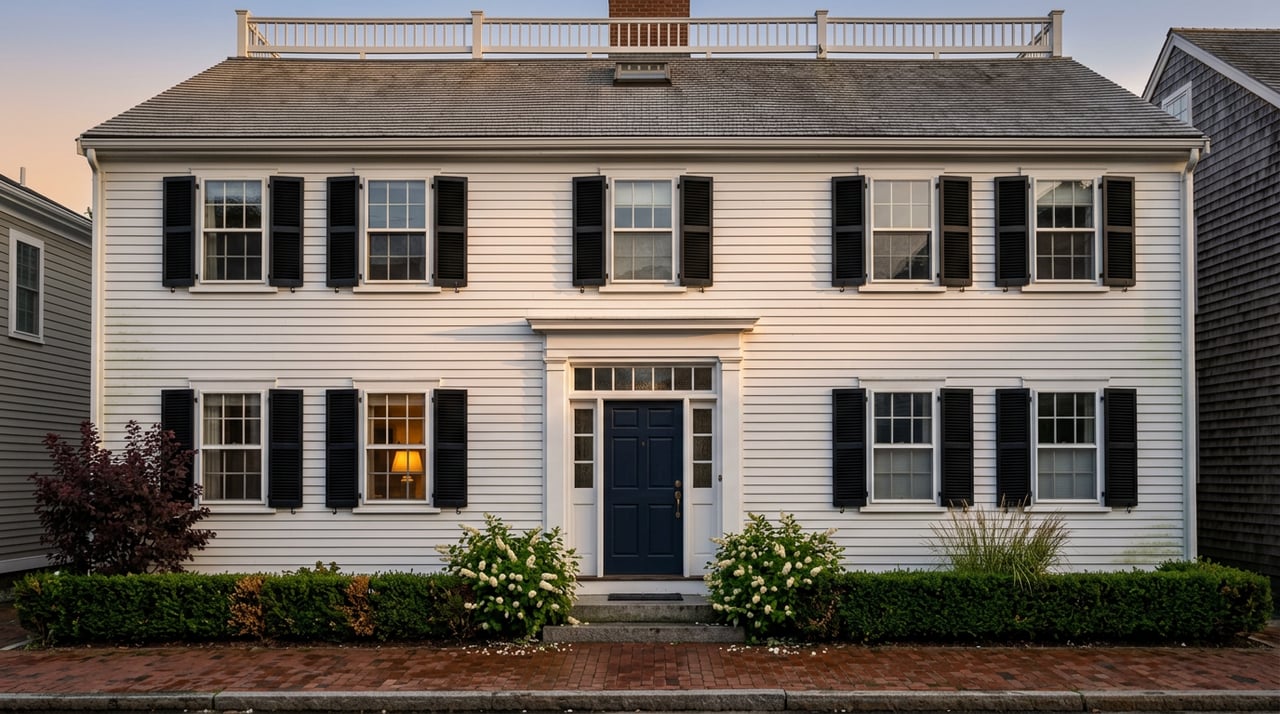
South Boston has a different look and feel. Preservation materials from the city note that detached houses are rare, while triple-deckers and attached rowhouses are more common.
You are also more likely to see a mix of classic neighborhood blocks, newer infill, and homes near shoreline recreation. That variety can be a plus if you want more options in layout, scale, or building type.
Which neighborhood has larger homes?
The city’s 2025 profiles show a meaningful size difference between the two neighborhoods. In South End, 47.3% of units are 0 to 1 bedroom, 36.8% are 2-bedroom, and 15.9% are 3 or more bedrooms.
In South Boston, only 25.4% of units are 0 to 1 bedroom, while 44.6% are 2-bedroom and 30.0% are 3 or more bedrooms. If your priority is extra bedrooms, a home office, or more flexible square footage, South Boston is more likely to match your search.
Look at Price Beyond the Asking Number
Listing prices are fairly close
If you only look at median listing price, the gap may seem small. Realtor.com reports median listing prices of about $1.095 million in South Boston and $1.1 million in South End.
That means the decision is not always obvious at first glance. Two homes can appear similarly priced on paper while offering very different size, setting, and long-term value considerations.
Closed-sale prices tell a clearer story
Sold data shows a wider gap. In May 2026, South Boston’s median sale price was $994,166, while South End’s was $1,287,067.
That puts South End about $292,901 higher on median closed sales. South End also showed a higher price per square foot, at $1.22K versus $834 in South Boston.
What that means for you
If you are trying to maximize size and keep your purchase in a somewhat lower closing-price tier, South Boston may offer better alignment. If you are comfortable paying more for a historic setting, central location, and a higher price-per-square-foot environment, South End may be worth the premium.
Understand Inventory and Competition
Both neighborhoods are active markets, and homes can move quickly. The broad takeaway from the available data is that buyers should be prepared, especially when a well-priced home hits the market.
At the same time, South Boston currently shows more active for-sale inventory than South End. Realtor.com reports 458 homes for sale in South Boston versus 287 in South End, which fits with South Boston’s larger and more varied housing stock.
For some buyers, that larger inventory pool can create a little more breathing room. More options can make it easier to compare layouts, price points, and block-by-block differences before making a decision.
Think About Your Daily Routine
South End is more walk-oriented
If your ideal Boston life involves doing more on foot, South End stands out. In the city’s 2025 profile data, 29.6% of South End resident workers walked to work, 17.4% used public transit, and 24.1% drove or carpooled.
The neighborhood also has a high share of households without a vehicle, at 37.6%. That suggests a lifestyle where walking, transit, and nearby daily conveniences play a bigger role.
South Boston leans more toward driving
South Boston is still transit-accessible, but the commuting pattern looks different. In 2025 profile data, 35.8% of resident workers drove or carpooled, 25.6% used public transit, and 8.9% walked to work.
South Boston also had a lower share of households without a vehicle, at 27.1%. If you expect to drive more often or want a neighborhood that balances city access with a slightly different transportation mix, South Boston may fit more naturally.
Weigh Parks, Open Space, and Waterfront Access
South End green space
South End’s signature outdoor amenity is the Southwest Corridor Park. This 4.1-mile linear park includes 11 playgrounds, 2 spray pools, 7 basketball courts, 5 tennis courts, 2 street hockey rinks, and 6 miles of trails.
The city also points to Titus Sparrow Park as a treasured neighborhood green space and notes that the South End has nearly 30 parks overall. If you want parks woven into a dense urban neighborhood, South End offers that balance.
South Boston outdoor life
South Boston’s outdoor identity is more tied to the waterfront. The city highlights beaches and waterfront parks, while the state groups Castle Island, Pleasure Bay, M Street Beach, and Carson Beach together as major recreation assets.
Castle Island alone has 22 acres and more than two miles of walking trails. Moakley Park, a 58.78-acre park in South Boston, is also in the middle of a resilience-focused redesign.
What feels better day to day?
This often comes down to the kind of outdoor time you picture using most. If you want trails, neighborhood parks, and a more tucked-in urban feel, South End may be more your speed.
If you picture beach walks, harbor views, and larger shoreline open spaces, South Boston likely has the edge. Neither is better in a universal sense. It is about which backdrop fits your routine.
Know the Historic Review Factor
This is one of the most important practical differences between the two neighborhoods. Because the South End is a landmark district, exterior work is reviewed under landmark standards.
That does not make South End harder to own, but it does mean preservation review can be part of the ownership experience. If you are planning exterior renovations or want more flexibility in that area, this is a factor worth weighing carefully before you buy.
South Boston does not carry that same neighborhood-wide landmark district dynamic in the way South End does. For some buyers, that may simplify the ownership picture.
A Simple Way to Choose
If you are still deciding, it helps to match each neighborhood to your top priorities.
South End may fit you if you want:
- Historic brownstones and classic brick rowhouses
- A more walk- and transit-oriented routine
- Close access to Downtown and Back Bay
- Smaller condos or compact urban layouts
- A denser restaurant-and-arts environment
South Boston may fit you if you want:
- More bedrooms or more square footage
- A lower median closing-price tier
- A broader mix of housing types
- Beaches, waterfront parks, and shoreline recreation
- More active for-sale inventory to choose from
Final Thoughts on South Boston vs South End
The right choice is less about which neighborhood is more popular and more about how you want to live. South End offers historic character, strong walkability, and a higher-end closed-sale profile. South Boston offers more space, more waterfront access, and a somewhat lower price point on sold homes.
When you compare the two through your real daily needs, the answer usually becomes clearer. If you want help thinking through that decision with honest, neighborhood-focused guidance, Donnelly + Co is here to help.
FAQs
Is South Boston or South End more expensive to buy in?
- South End is generally more expensive on closed sales. In May 2026, the median sale price was $1,287,067 in South End versus $994,166 in South Boston.
Does South Boston usually have larger homes than South End?
- Yes. City profile data shows South Boston has a larger share of 2-bedroom and 3-plus-bedroom homes, while South End has a much higher share of 0 to 1 bedroom units.
Is South End more walkable than South Boston?
- The data suggests yes. South End has a much higher share of residents who walk to work and a higher percentage of households without a vehicle.
Are there more homes for sale in South Boston than in South End?
- Yes. Realtor.com reports 458 homes for sale in South Boston compared with 287 in South End.
Does buying in South End come with historic district rules?
- It can. Because the South End Landmark District is a designated historic district, exterior work may be subject to landmark review standards.
Which neighborhood is better if you want parks or waterfront access in Boston?
- It depends on the type of outdoor space you want. South End is known for the Southwest Corridor Park and many neighborhood parks, while South Boston is known for beaches, waterfront parks, Castle Island, and Moakley Park.