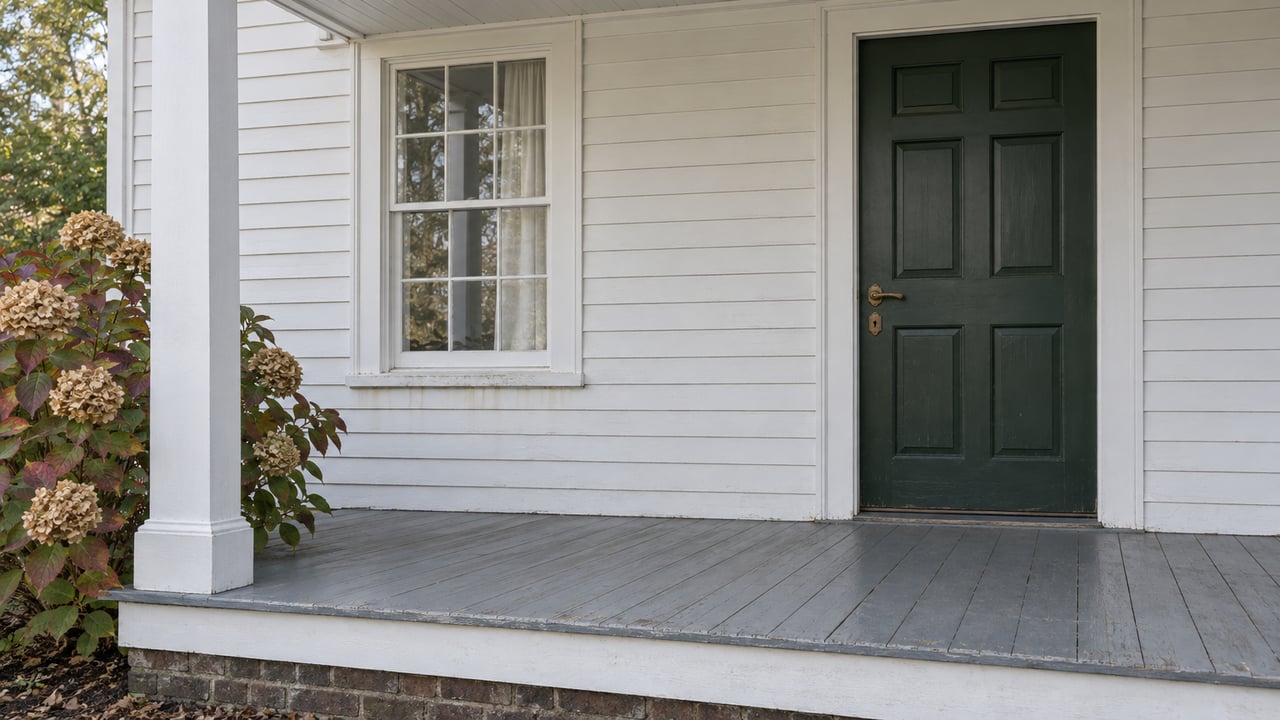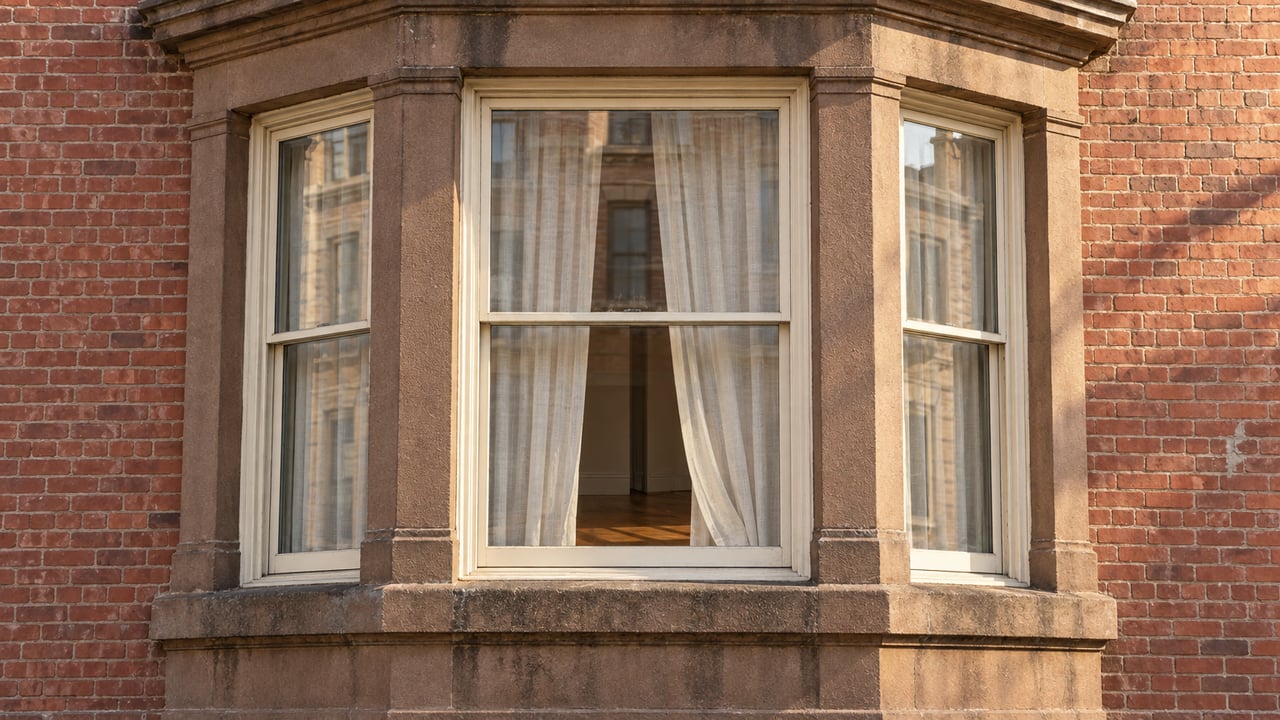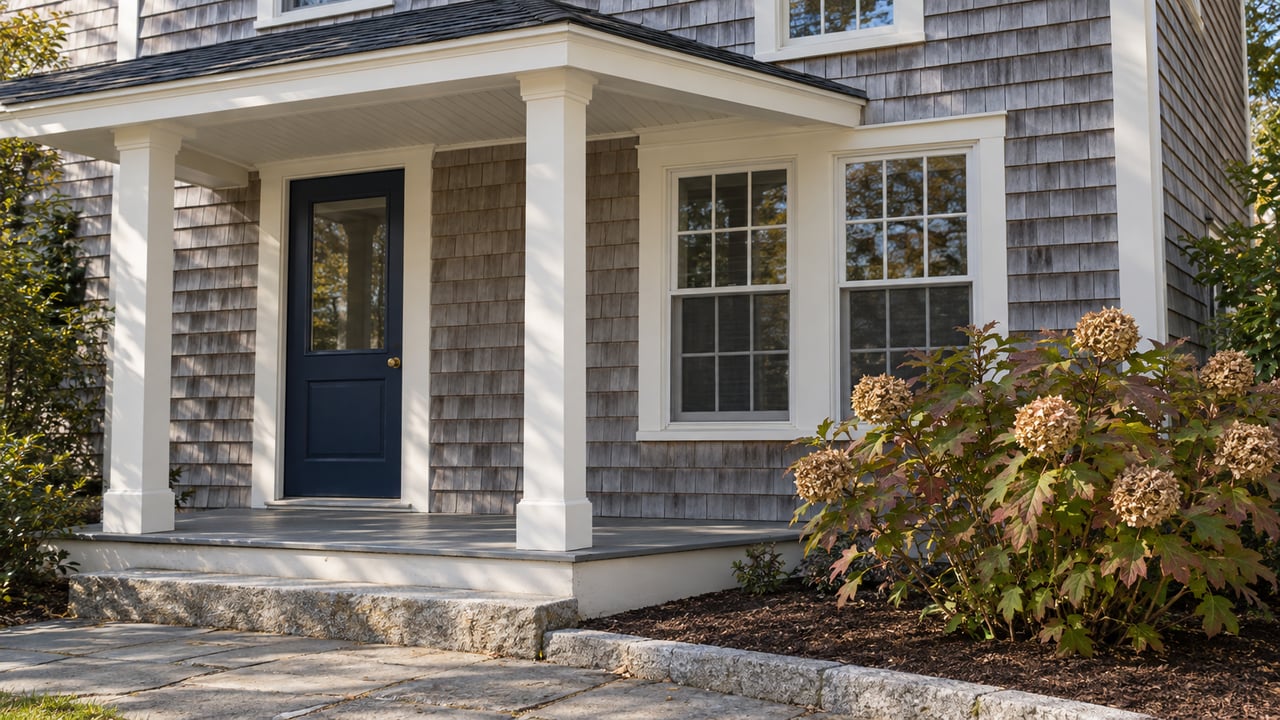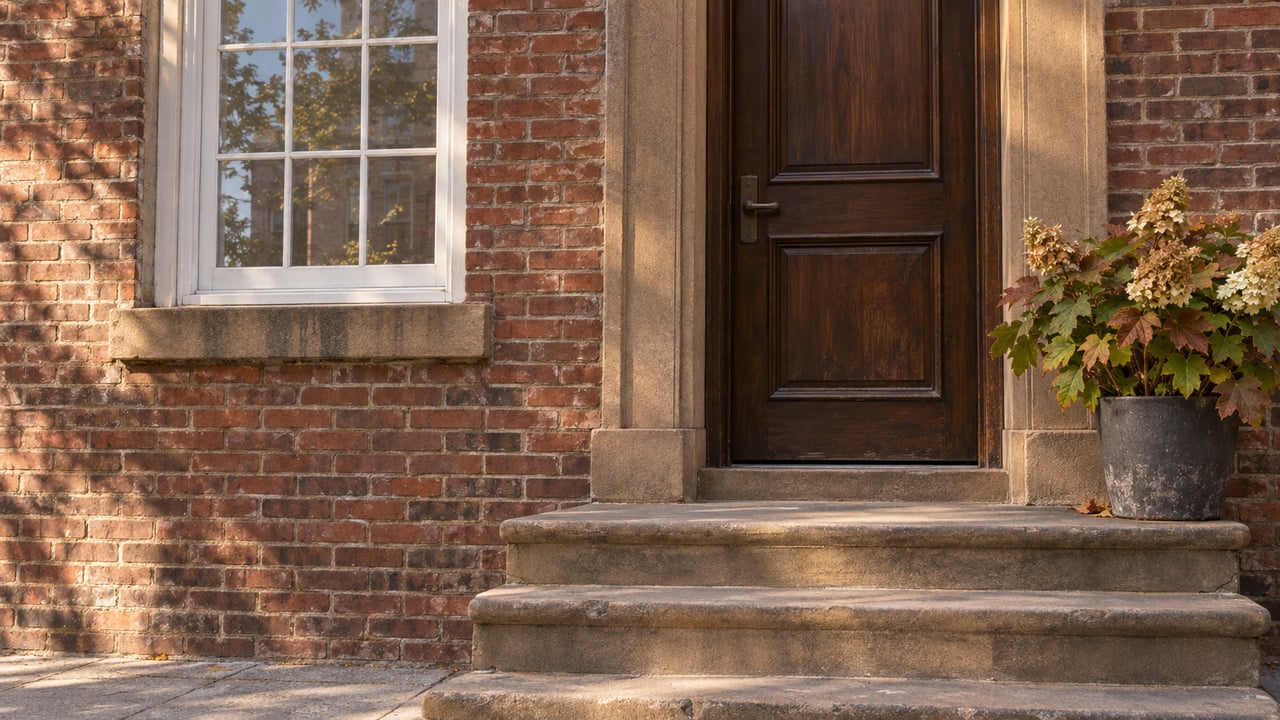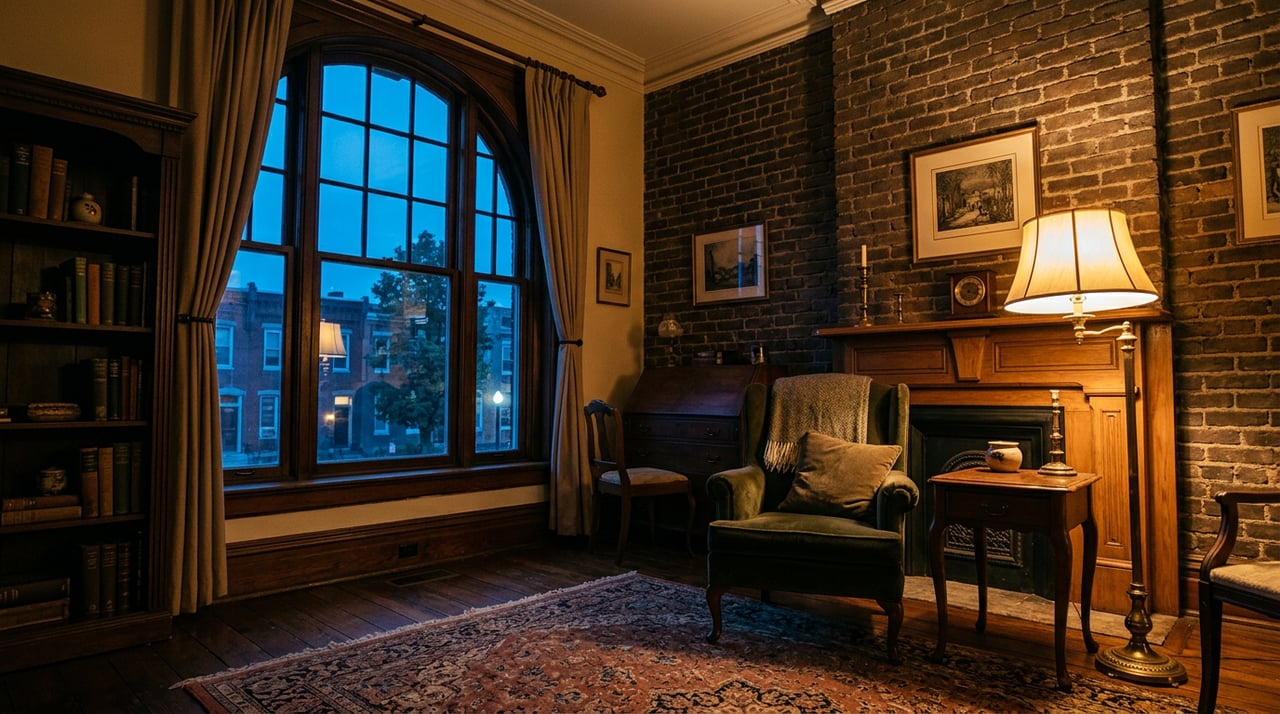
Shopping for a ghostly mansion? Wondering about that spooky house with the “For Sale” sign out front? Or maybe, just maybe, you have a slightly...unusual...home of your own to sell?
You might be interested to know that, depending on where the home is, there are actual laws that dictate what the seller has to disclose about it. For example, in “disclosure” states like New York or California, there’s such a thing as “stigmatized property.” This means that something has happened there, probably intangible, that can affect the buyer’s experience or ability to sell in the future. So in addition to the roof, the foundation, and damage from water or smoke, if there are unpleasant things about the home’s reputation, the seller must volunteer that information.
Seems reasonable. After all, while a ghost doesn’t affect the physical state of the house, it can affect its value. (And obviously—make it a bit creepy to live there.)
But here’s another topical fact: In Massachusetts, real estate law is “Caveat emptor” or “Buyer Beware.” This might seem odd (and ominous) for a very old part of the United States, where surely some bloodcurdling things have happened—Salem MA, anyone?
Yet Massachusetts holds the buyer responsible for due diligence, certainly in the case of hauntings. Sellers don’t really have to volunteer anything about Great-Great Aunt Maude in the attic. However, they must answer truthfully...if asked.
Seriously, if you are buying or selling and have any questions about factors that might affect a property’s value, including important disclosures, past damage, asbestos, lead paint and repairs—or ghosts—I urge you to have a talk with your real estate agent, right away.
Do it before it’s too late.